


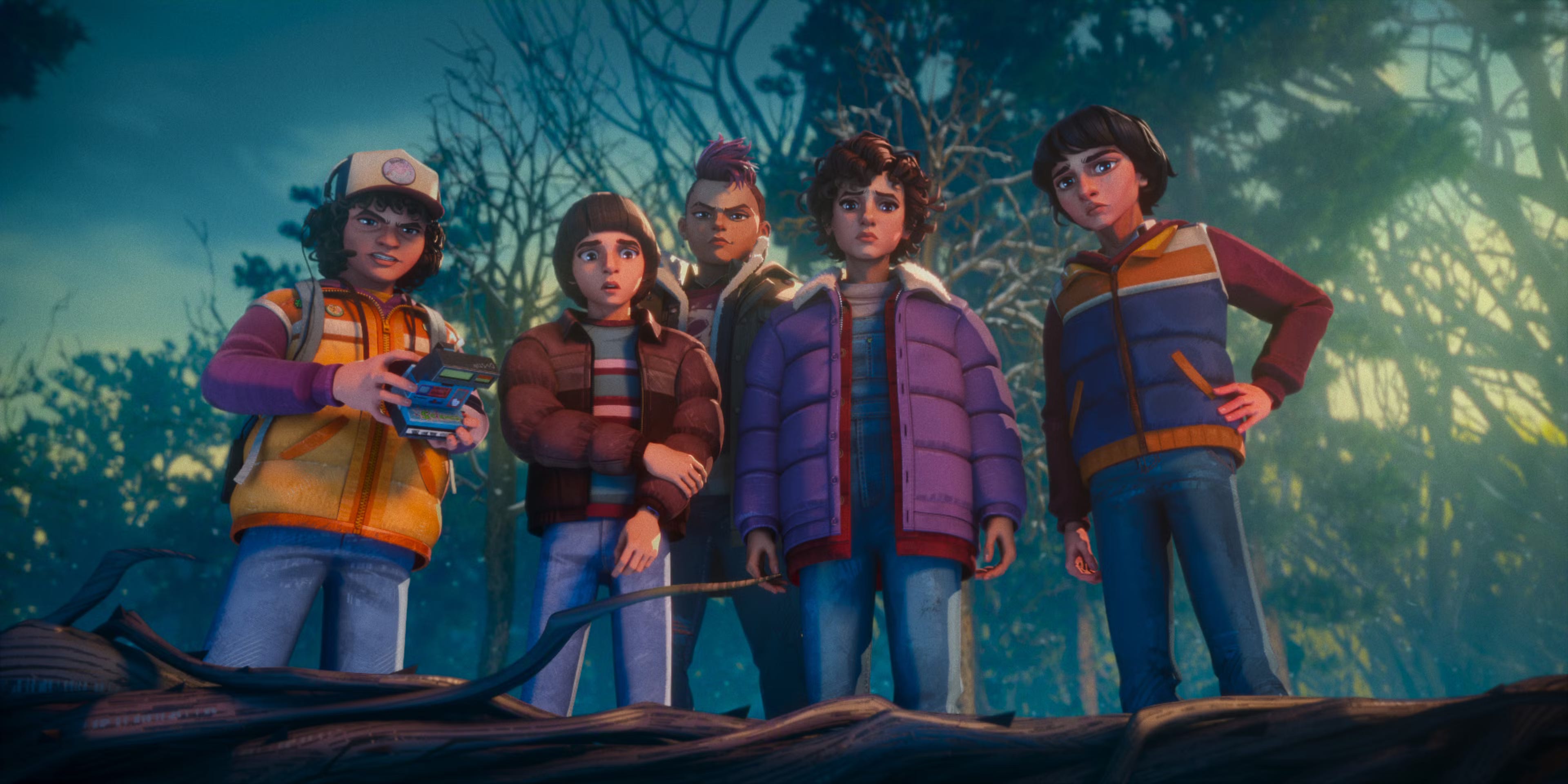
Stranger Things: Tales From ‘85 dropped on Netflix today to a 4.3 out of 10 on IMDb. Over 52 percent of users gave it one star before it even went live.
The entertainment press arrived with its explanation ready. Netflix Junkie ran a piece yesterday asking whether the scores represented coordinated sabotage, describing the early backlash as having “a familiar hum, like the low growl of the Demogorgon before it strikes.” Netflix arranged the early screenings those audiences attended. People watched two episodes and rated the show poorly.
To understand why, you need to understand what Netflix is building off of.
Stranger Things season five ended with a 56 percent audience score on Rotten Tomatoes, the lowest in the show’s history and down sharply from the 91 percent season five volume one had opened with just weeks earlier. Season four’s audience had already complained about bloated runtimes, with one fan on X writing that the show had become “overproduced and overdramatic.” The season five finale drew reactions like “the whole Stranger Things finale was unsatisfying, cliché, and painfully corny” and “this final season offers too little too late. It never feels like there’s any real stakes or danger.” Prior seasons had never dipped below 86 percent. Season one sits at 96.
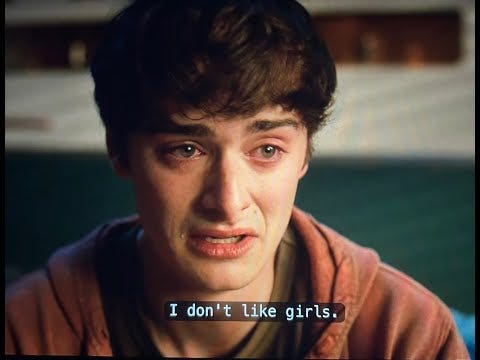
The moment that torched the audience’s goodwill came in when Will Byers comes out to his friends in a lengthy monologue right before the final confrontation with Vecna. “The Bridge” became the lowest-rated episode in the show’s history on IMDb with a 5.5 out of 10. An X post calling it out was viewed 12 million times. Elon Musk called it “completely unnecessary and forced on an audience that just wants to enjoy some basic science fiction.” USA Today said the scene “ends up being underwhelming and awkward,” noting that “for five seasons, Stranger Things has struggled with how to deal with Will.” The Duffer Brothers responded in Variety that they “are many things, but subtle is not one of those things,” which is a candid admission that the show prioritized message delivery over dramatic coherence.
That is the audience Netflix is now asking to watch a cartoon version of the same show with a replacement cast.
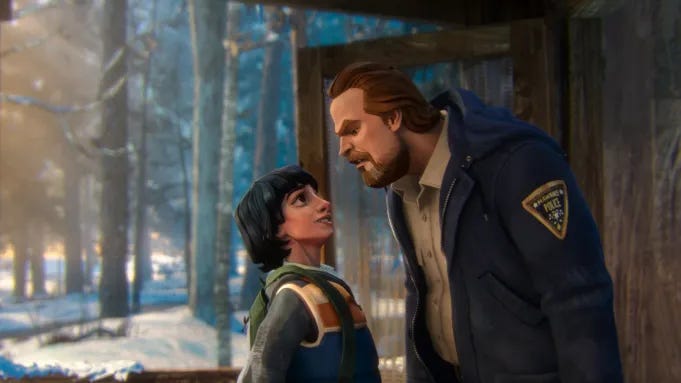
The critical reception to Tales From ‘85 confirmed the miscalculation. Variety’s Alison Herman called it “a depressing, cynical attempt to preserve Stranger Things in pixels rather than amber,” writing that without actors who age, Netflix can “continue to exploit this IP as long as its audience desires, looking ever-more-solipsistically inward rather than branching out.” Screen Rant said the show “misunderstands its audience.” The A.V. Club said it has “an identity crisis.” TechRadar called it “as dissatisfying as its parent show’s incredibly divisive final season.”
Multiple critics landed on the same problem. Netflix marketed Tales From ‘85 as “entry-level Stranger Things” for younger viewers. Screen Rant pointed out the obvious flaw: the show “relies heavily on its viewers having watched Stranger Things’ first two seasons, further complicating the answer to a major question: Who is this Stranger Things spinoff for?” Newcomers get mythology they have no context for. Longtime fans get the same story with voice actors they didn’t ask for.
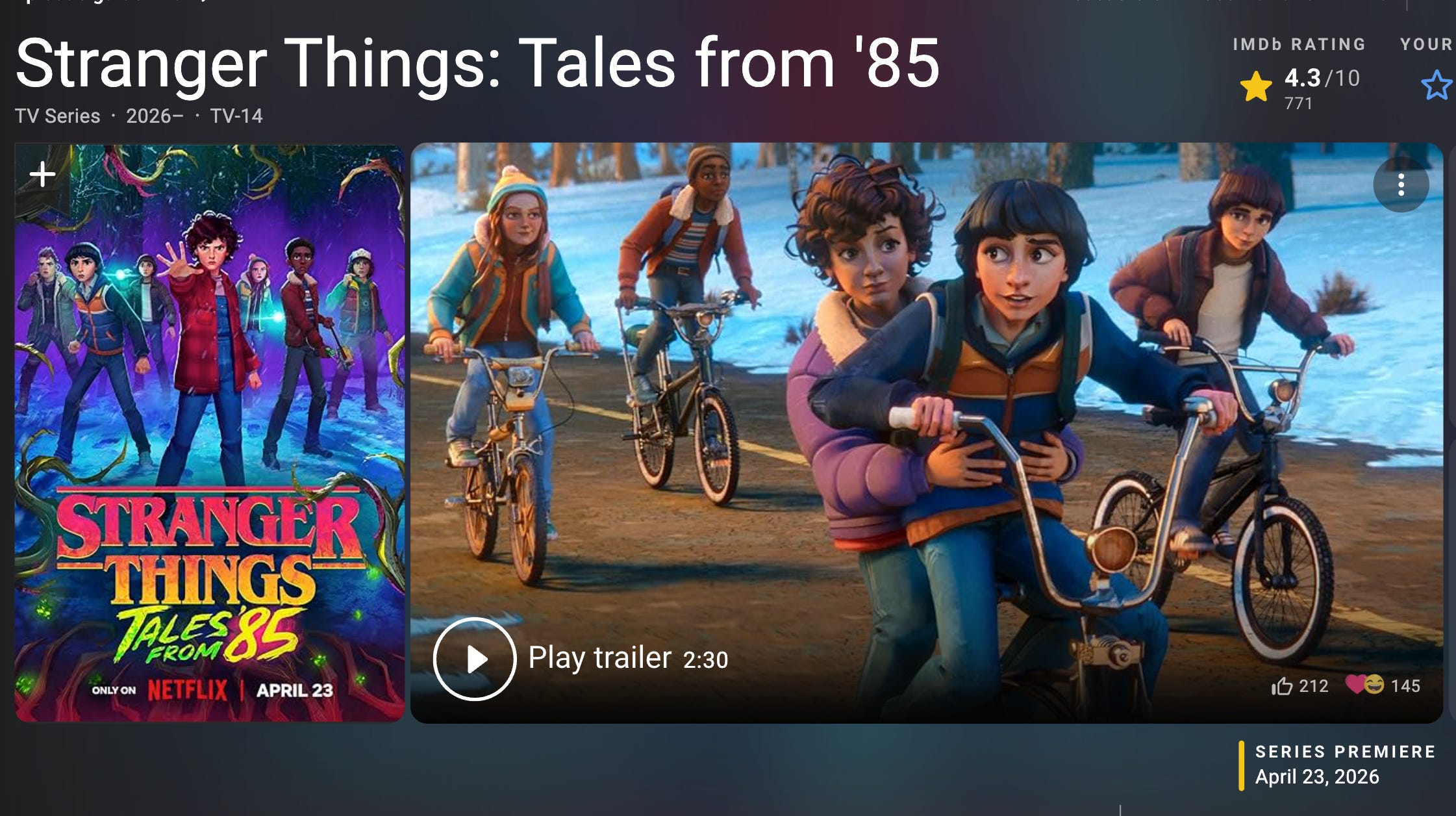
When Netflix Junkie wonders whether the early scores are orchestrated, the more honest question is why Netflix expected a different result. The show that burned its audience on the way out the door is now trying to sell that same audience a cartoon continuation. The 4.3 is not a mystery.
Do you think Netflix can salvage the Stranger Things brand, or did season five close the door for good?
Three free books. No spam. Just new releases, deals, and the occasional update from the front lines of independent publishing. Sign up for the Jon Del Arroz newsletter and start reading today.

I think it’s time for the Stranger Things franchise to go back to the Netflix vault. Let it rest, Netflix.
Gayer Things is something I will forever avoid.