


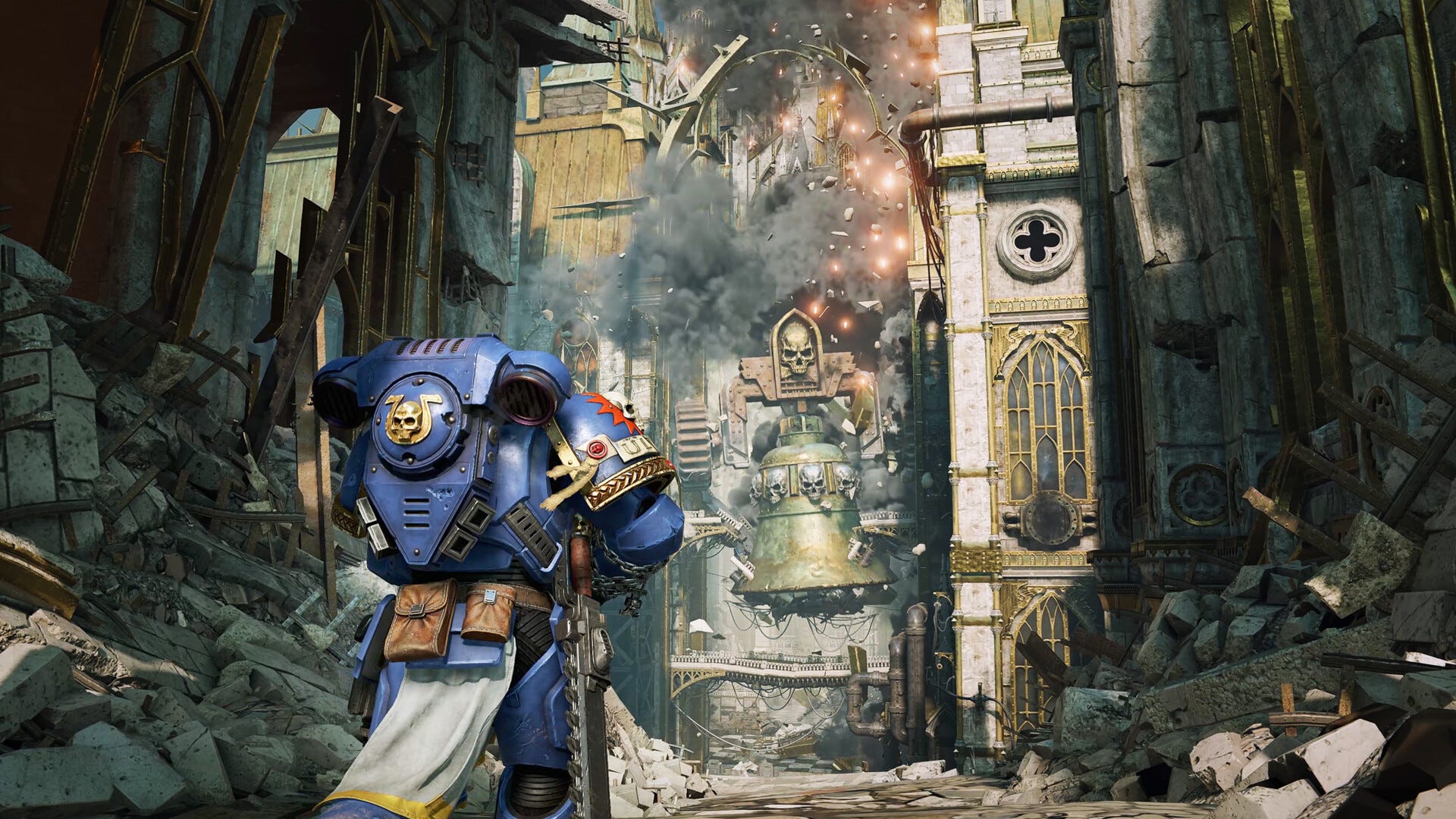
About a year ago, a piece in Business Insider described a growing fascination with medieval aesthetics. From guild crafts to illuminated manuscripts, hand tools, stonework, and pre-industrial manufacturing, the past became the new hotness.
At the time, this neo-medievalism registered as one more lifestyle curiosity; the sort of fad editors slot between articles on probiotic sourdough and artisanal soap. Looking back now, that story reads as a foretaste of what’s to come.
The article matters, not because people suddenly decided mail shirts look cool, but because it gives us more data points in a pattern that has been building for years. It turns out that when institutions decline, culture need not collapse. Sometimes it relocates.

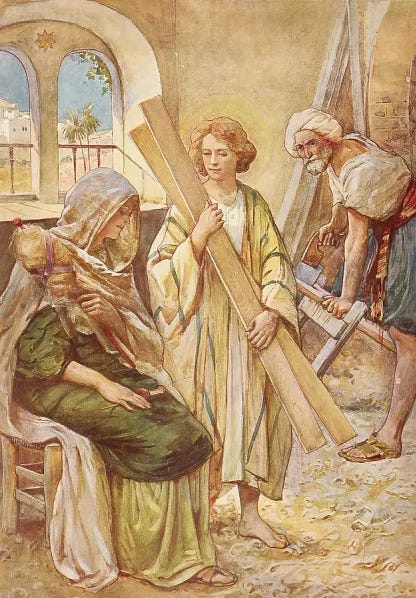
Neo-medievalism can’t be reduced to nostalgia for castles and feudal pageantry. It reflects a hunger for continuity, skill, and meaning in work that produces tangible value. Medievals understood apprenticeship and the moral obligation between maker and supporter. Art existed because someone valued it enough to sustain the artist.
Not only did that arrangement build cathedrals, manuscripts, music, and entire cities, its works endure to this day. Because all of society was organized to preserve and hand down institutional knowledge. Modern society’s failure to pass on our forefathers’ hard-won wisdom is the rupture that culturally impoverished us all.
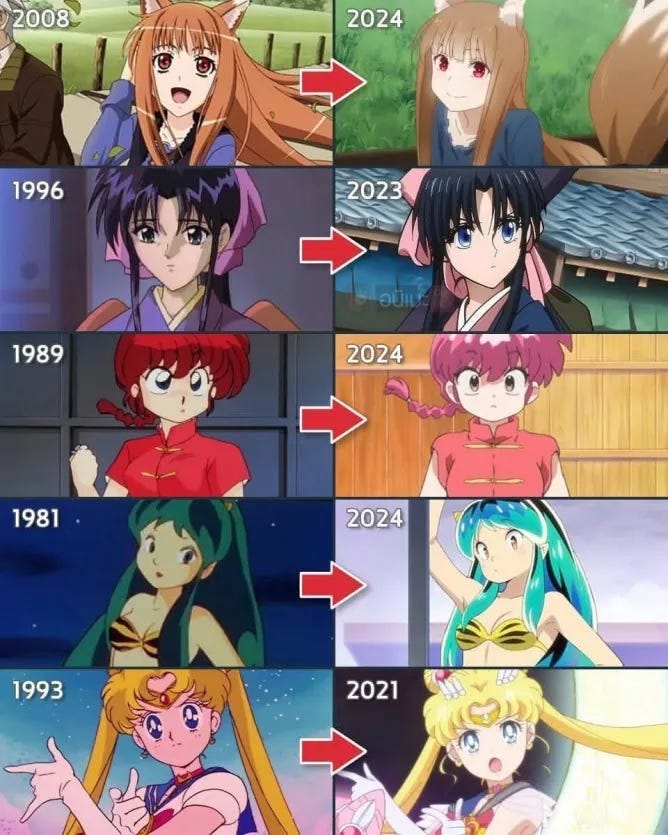
A vivid example frequent readers will be familiar with is anime. In the Japanese animation industry’s creative heyday of the 1980s-1990s, the vast majority of studios sourced their paints from two major suppliers, Taiyo Shikisai and STAC. As has been written before, in 1998, the key person responsible for mixing the paints at one of the two animation supply giants had a massive heart attack and retired. The trade secrets of a lifetime spent honing his craft went with him. Studios used the excuse to switch from cels to digipaint. You can see the results:
The Modern corporate culture that overshadowed trade apprenticeships has been a disaster. It replaced patrons with committees, metrics, and ideological purity tests. The fallout has been widespread cultural sterility paired with unprecedented gatekeeping.
We see the outcomes everywhere: assembly line film franchises, publishing pipelines that select for race and paraphilias instead of skill, and institutions that quietly resent the audiences they depend on.
What Business Insider unintentionally documented is the counter-reaction. People are gravitating toward countercultures where effort is visible, lineage matters, and mastery earns respect. These pursuits demand time and discipline. They reward patience. Most of all, they carry memory forward instead of discarding it every fiscal quarter.
This dynamic matters for writers because it validates what many of us arrived at through hard experience: Institutional approval is no longer a marker of quality or legitimacy. In many cases, it acts as a warning label. The systems that once cultivated talent now act as filters designed to exclude anyone unwilling to conform to narrow ideology or managerial fads.
Necessity is the mother of invention, and neopatronage emerged as a response to the entertainment industry’s failure. When creators turn directly to readers, they recreate a venerable and proven cultural contract. Support flows toward artists who produce the work their benefactors actually want.
Seen through that lens, neo-medievalism seems less quaint and more prophetic. The medieval world organized culture around market fairs, noble courts, and guild halls because those institutions were capable of preserving knowledge and fostering excellence. Today’s equivalents are crowdfunding platforms, private Discord servers, and publications like this one. The tools are digital, but the logic is ancient.
Those factors also explain why legacy cultural organs seem perpetually confused by their audiences. They are pushing abstractions, chasing trends, and peddling slop while people seek substance, tradition, and humanity.
The irony is that the same outlets that dismissed craftsmanship as reactionary now marvel at its resurgence. But neither neo-medievlism nor neopatronage sprang up spontaneously. They grew in the cracks institutions opened when they left the culture to crumble. Publishers chased prestige over readership, so writers found patrons elsewhere. Studios treated audiences as obstacles, so viewers walked away.
Neo-medievalism offers a visual metaphor for what is already happening economically and culturally. We are witnessing the return of patronage networks, apprenticeship models, and audience-creator bonds that predate mass industrial culture. These systems are resilient because they are personal. And they endure because they are voluntary.
That Business Insider article reads differently now because hindsight sharpens perception. What looked like an aesthetic fad was really a signal. People are done waiting for failing institutions to reform themselves. They are building parallel systems that reward skill, integrity, and genuine human contact.
For creators, the lesson is simple. The future will not be inherited by the largest platforms or the loudest outrage marketers. It belongs to those willing to cultivate direct relationships, hone their craft, and accept responsibility for their own work.
Those principles held true in the age of guilds and manuscripts; they remain true now.
Neopatronage is not an experiment anymore. It is the natural outcome of megacorps’ artificial pull ebbing and cultural gravity reasserting itself.

Brian Niemeier is a best-selling novelist, editor, and Dragon Award winner with over a decade in newpub. For direct, in-person writing and editing insights, join his Patreon.
NEXT: The System Isn't Broken, It Is Rigged To Break Young Men

In the Bitcoin maxi space, we like to say "proof of work", which encapsulates what you're saying about honing your skills and giving real value to the world. Apprenticeships should've never became so rare
Highly recommend Guillame Faye's "Archeofuturism." It's about this exact topic, and has been very influential on my thinking for many years.