



What began as a clever pun among fans has morphed into perhaps the most disturbing example of corporate cultural colonization in modern history. "May the 4th,” the so-called "Star Wars Day,” represents everything cyberpunk sci-fi authors warned us about: corporations hijacking cultural touchstones, manufacturing artificial "traditions," and training consumers to celebrate their own exploitation.
Unlike genuine holidays rooted in religious significance (Christmas, Easter), historical sacrifice (Memorial Day, Veterans Day), or cultural heritage (Thanksgiving, Independence Day), Star Wars Day exists solely to drive merchandise sales and streaming subscriptions for Disney's $4 billion acquisition. It's the commodification of community itself, transforming authentic fan appreciation into quarterly profit targets.
The Associated Press notes that the phrase "May the 4th be with you" originated as a political advertisement in 1979 celebrating Margaret Thatcher's victory as prime minister, already trying to take something out of the culture to politicize it based on a cringe-worthy pun.
What makes this particularly insidious is how Disney has systematically trained consumers to do their marketing for them. Each May 4th, social media becomes flooded with Star Wars memes, references, and product displays – unpaid advertising generated by the very people being sold to. This represents the ultimate corporate dream: consumers eagerly promote their own exploitation while believing they're participating in something meaningful.
The contrast with authentic holidays is stark. Traditional observances connect us to our shared history, spiritual traditions, or national identity. They reinforce cultural continuity and provide meaningful frameworks for understanding our place in the world. Corporate "holidays" like May 4th offer only shallow consumerism dressed up as community.
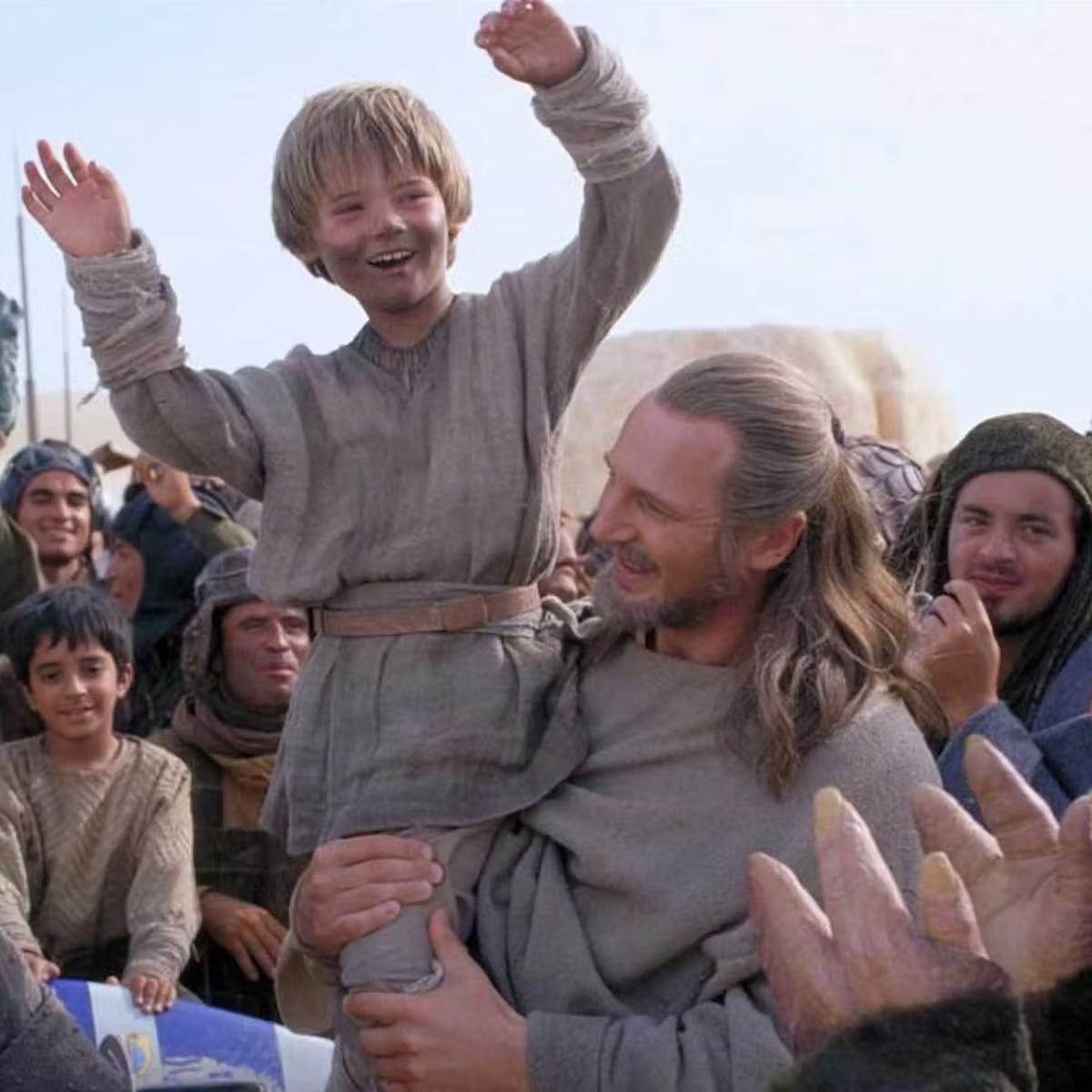
Disney's CEO Bob Iger once boasted that the company had successfully "integrated Star Wars into the DNA of Disney." This disturbing biological metaphor reveals the true nature of their project – not merely selling products but fundamentally altering cultural DNA to ensure perpetual consumption.
This is precisely the dystopian future envisioned in works like William Gibson's "Neuromancer" or Neal Stephenson's "Snow Crash" – worlds where corporations have replaced traditional cultural institutions and manufactured artificial meaning systems designed to maximize profit extraction. The difference is that in those fictional worlds, people recognized their dystopia. Today, we celebrate ours with costume parties and limited-edition merchandise.

The implications extend far beyond a single franchise. As corporations increasingly claim ownership over cultural touchstones, our shared heritage becomes privatized intellectual property to exploit for their own agendas. Disney now effectively "owns" not just Star Wars but significant portions of childhood imagination itself through its acquisitions of Marvel, Pixar, and other properties.
This corporate colonization of culture represents an existential threat to Western civilization. Traditional holidays connect us to our history and values. Corporate celebrations connect us only to products. When meaning itself becomes a marketing strategy, we lose the cultural foundations necessary for social cohesion and shared purpose.
Former Disney CEO Michael Eisner once infamously stated, "We have no obligation to make history. We have no obligation to make art. We have no obligation to make a statement. To make money is our only objective." This nakedly mercenary philosophy now drives what millions of people consider culture.
The most disturbing aspect is how willingly Americans have accepted this arrangement. Each May 4th, millions of otherwise intelligent adults eagerly participate in what amounts to a quarterly marketing event for one of the world's largest corporations. They dress up, purchase themed products, and flood social media with free advertising – all while believing they're engaging in authentic cultural expression.
If cyberpunk authors got anything wrong, it's that they assumed corporate domination would be imposed through force. Instead, we've welcomed it with open wallets, eagerly surrendering authentic culture for the comfort of corporate-approved identity packages, complete with their own artificial holidays.
May the 4th isn't just a silly pun anymore, it's the canary in the cultural coal mine, warning us that the dystopian future has already arrived, and we're celebrating its arrival.
Military Sci-Fi fans will love this space crusading trilogy that packs an action punch. Read Justified: Saga of the Nano Templar on Amazon and support Fandom Pulse!

NEXT: 10 Must-Read Books For Anyone Fighting Against Social Justice In The Culture War
It's May the 4th? Wow, it totally slipped my mind.
Who am I kidding? it hasn't meant anything to me since Disney destroyed Star Wars via the last trilogy.
How do I buy land in Mr Lee's Hong Kong Franculate.