


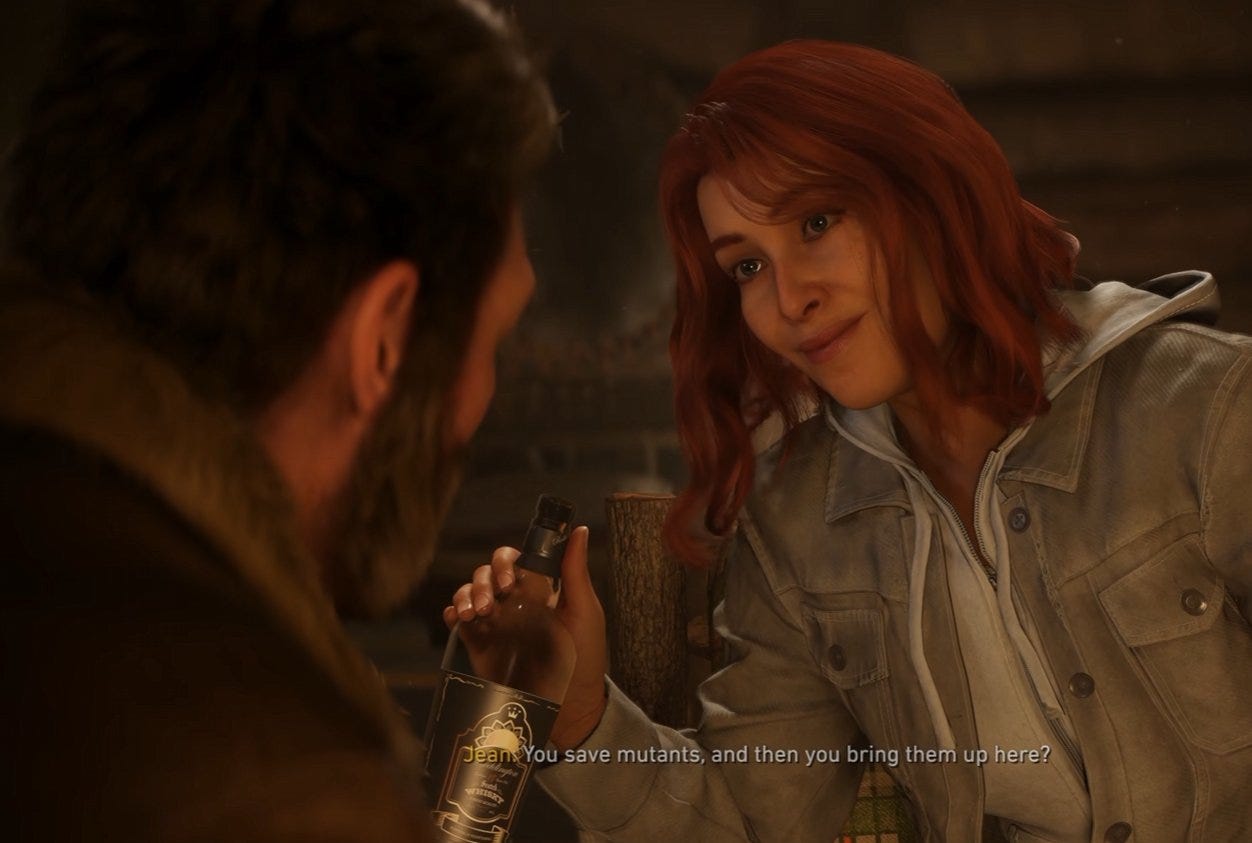
Marvel’s Wolverine released to a Metacritic score of 77, and even Kotaku, an outlet that’s spent two years defending nearly every decision Insomniac made on this project, had to write the headline straight: “Marvel’s Wolverine Is Currently Sony’s Lowest Scoring Game Of The PS5 Era.” That’s not hyperbole from a critic outlet. That’s the actual math. A 77 puts Insomniac’s game below Sackboy: A Big Adventure, a PS5 launch-window platformer for children, and below every other first-party Sony release across six years of the console’s life. The high-profile outlets that usually carry the most weight in that average, Eurogamer, VGC, IGN, GameSpot, GamesRadar, all landed around a 6 out of 10. Giant Bomb went lower still, a 5. Even Kotaku’s own framing gave the game away: “a resounding ‘fine.’” When the most sympathetic coverage in gaming media has to describe your PlayStation exclusive as “fine” and spend the rest of the piece finding ways to spin that as somehow still a win for Sony, the game has already lost the argument.
This didn’t come out of nowhere. Marvel’s Wolverine has been fighting a two-front war since the moment fans first saw it, and the second front is exactly the one gamers have been warning about for years: character design decisions that seem to prioritize an ideological checklist over the actual source material.
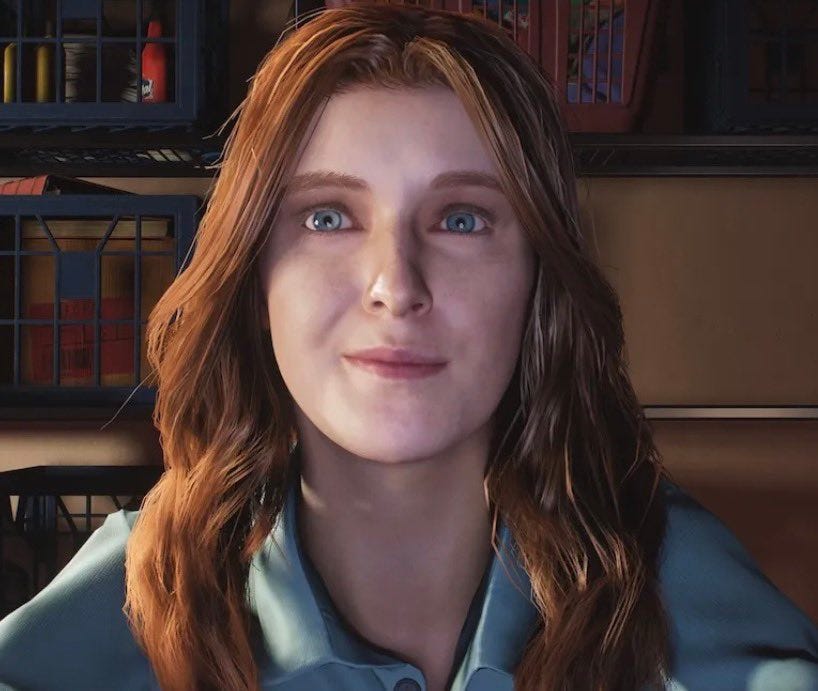
Jean Grey has been the center of this fight through three separate design iterations. The first version leaked in December 2023, after a ransomware attack dumped early Marvel’s Wolverine development material online. Fans generally liked what they saw. Then the redesign happened, and the reaction flipped completely. Fandom Pulse covered this directly back in June, documenting how the character went from her original concept to what critics called an off-model, world-weary version stripped of anything resembling the character readers have known for decades, a woman comic readers have watched Cyclops and Wolverine fight over for sixty years, redesigned into someone nobody online was fighting over anymore. One widely shared comparison joke put it bluntly: it looked like “the devs put the lady from Ghost of Yotei in a red wig.” Mystique got the same treatment in a September 2025 trailer, redesigned off-model enough that fans called it unrecognizable. Insomniac’s official response to that backlash was to post a clown emoji pointing at the critics.
The design fight escalated again just twelve days before launch, when the official launch trailer opened Sony’s September State of Play and immediately reignited the exact same argument. A viral post laid three faces side by side, Jean Grey, Mystique, Lady Deathstrike, and declared all three hit with what got called “the AAA ugly stick.” God of War creator David Jaffe, someone with no reason to pile on reflexively, posted his own reaction video calling the designs “ugly and disgusting,” directing his criticism specifically at Marvel Games VP Bill Rosemann and pointing out that Marvel Rivals and Marvel Snap manage to depict these same characters as conventionally attractive without any trouble at all. Jaffe was careful to clarify his issue wasn’t diversity itself, it was that these specific designs strayed from decades of established source material for no clear creative reason. He said he’d still buy the game if reviews came in strong. They didn’t.
Underneath the design fight sits the piece that actually explains it: Sweet Baby Inc.’s confirmed involvement with the project, surfaced in early 2024 through the narrative consulting firm’s own project listings and Insomniac’s own development communications. This is the same consulting firm attached to Suicide Squad: Kill the Justice League, a game that cost Warner Bros. Games an estimated $200 million and became one of the most notorious commercial failures in recent AAA history. An Insomniac narrative director publicly defended the firm’s involvement, calling it “one of the finest in the biz,” while the studio’s own marketing kept structuring a game literally titled Wolverine around extensive female character screen time at the expense of, you know, Wolverine. Fans online were blunt about naming what they saw happening: “LMFAO DEI quota detected,” as one widely shared post put it. “We must give significant run time to female ugly Jean Grey in a WOLVERINE game.”
None of this happened in a vacuum, and it isn’t an isolated case. It’s the latest entry in a string of AAA games where studios prioritized ideological consulting and design choices over craft, and paid for it with the actual product. Suicide Squad cost Warner Bros. $200 million and got remembered as a disaster. Concord got pulled from shelves entirely within two weeks of launch after similar criticism about its character designs and creative direction. Now Marvel’s Wolverine, from a studio, Insomniac, that built its reputation on genuinely great, beloved Spider-Man games, lands as Sony’s single lowest-rated first-party PS5 release, in a year where the company is already dealing with fan revolt over killing physical discs entirely by 2028. Insomniac’s own community director, James Stevenson, admitted weeks before launch that criticism online had gotten bad enough that he was reconsidering whether developers should even engage with fans on social media at all, calling it a “relentless onslaught.” That’s not an outside observer’s read. That’s the studio’s own team acknowledging the temperature of this backlash before a single review had even gone live.
A 77 Metascore isn’t a catastrophic failure by raw numbers alone. But context is everything, and the context here is a studio with an excellent track record producing the worst-reviewed first-party game Sony has published in six years, immediately after two years of very public fights over character designs tied to a consulting firm with its own history of tanking a $200 million game. The gameplay reviews landing around “fine, if dated” would have been a forgettable mid-tier release on its own. Paired with everything that led up to it, it reads like exactly what critics warned about: another AAA studio that let ideology steer decisions the source material and the fans never asked for, and produced a worse game because of it.
Sign up for the Ayla Rin: Gateway to Doom Crowdfund, coming soon for great cosmic comic books with a cover by legendary Green Lantern artist, Ethan Van Sciver:

Boycott. Don't buy this. Punish them with your dollars. Punish anything Sweet Baby has touched. That's how you get change.
It has that Sweet Baby Stink. I hope it fails like Concord and Dustborn.