


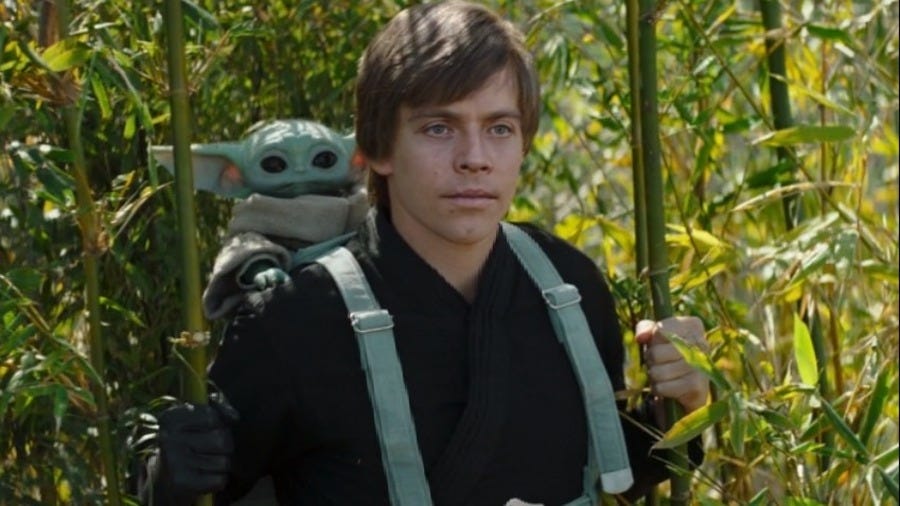
Mark Hamill is terrified of AI actors. In a recent Variety interview, the Star Wars legend called AI performers “terrible,” “ghastly,” “ghoulish” and “weird,” expressing alarm about digital resurrection technology. “After I pass away, are they going to go to my family and say, ‘We’ll pay you all this money so we can do him at age 28?’” Hamill worried.
Here’s the uncomfortable truth: Hamill has already been digitally resurrected. Multiple times. And he was perfectly fine with it when the checks cleared.
Hamill’s concerns about AI actors ring hollow when you consider his own recent career. His appearance as young Luke Skywalker in The Mandalorian wasn’t achieved through makeup or clever lighting, it was accomplished through the same digital resurrection technology he now condemns.
The process was remarkably similar to what he fears from AI. Lucasfilm used deepfake algorithms trained on decades of archival footage to recreate Hamill’s younger face. A neural network analyzed his expressions from interviews and original trilogy outtakes, then overlaid those digital features onto body double Max Lloyd-Jones’ performance.
Even more telling, Hamill’s voice in The Mandalorian was entirely artificial. Respeecher, an AI voice cloning system, synthesized his dialogue using archival recordings from the 1980s. The same technology Hamill now calls “ghoulish” was used to recreate his own voice without him speaking a single line.
“Nobody believed it was me,” Hamill said about his voice work as the Joker. The irony is that in The Mandalorian, it literally wasn’t him, but AI approximation trained on his past performances.
Hamill’s selective outrage becomes even more glaring when you consider his silence about James Earl Jones. Before Jones’ death in 2024, Lucasfilm had already begun using AI to recreate the actor’s iconic Darth Vader voice for Obi-Wan Kenobi. Respeecher, the same company that cloned Hamill’s voice, digitally preserved Jones’ vocal performance with his consent.
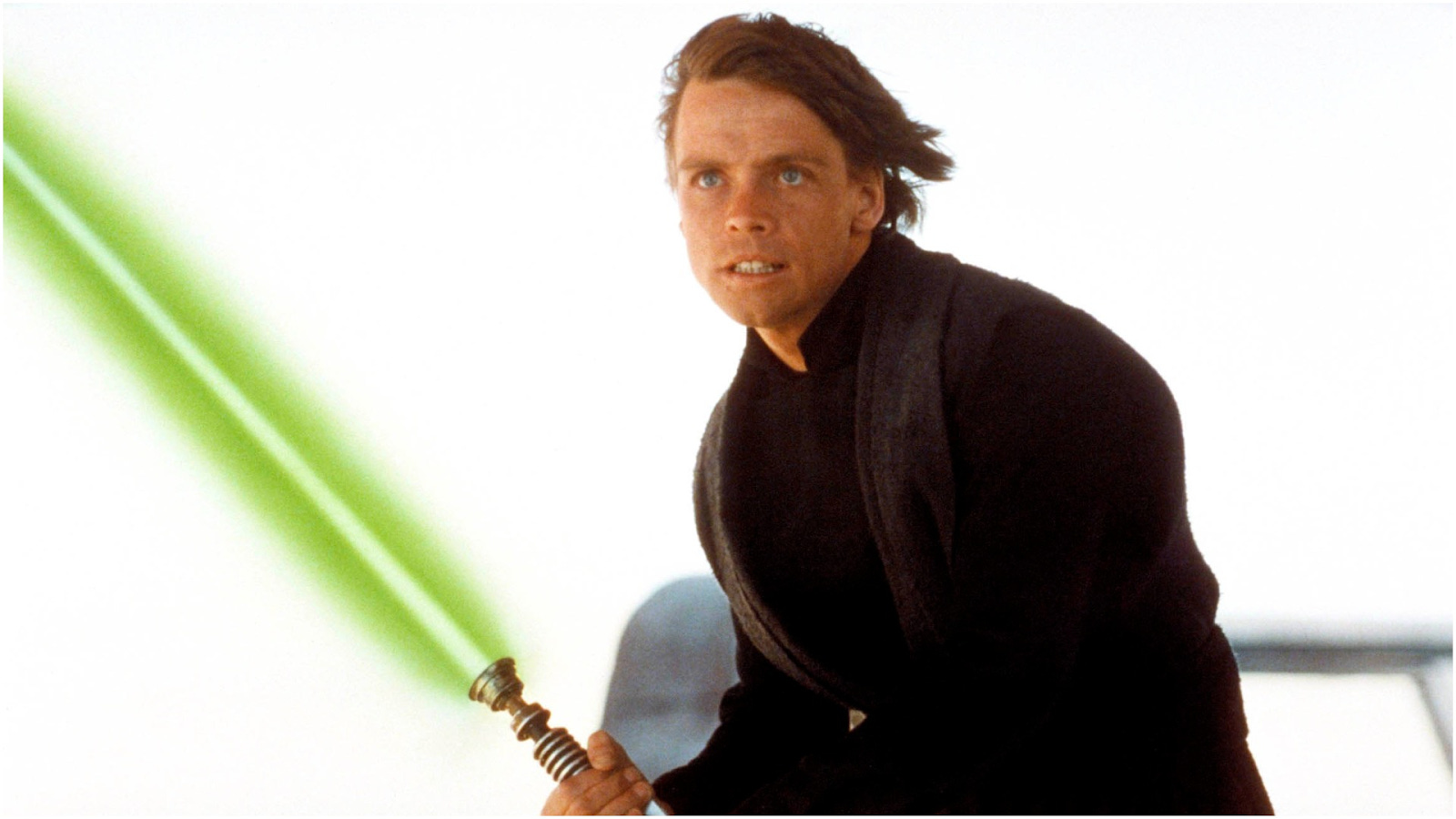
Where was Hamill’s concern then? Jones was literally being replaced by an AI version of himself, yet Hamill never expressed alarm about his colleague’s digital resurrection. The technology was identical to what he now condemns, but apparently it was acceptable when it happened to someone else.
The double standard is striking. Jones’ AI voice continues to be used in Star Wars projects after his death, fulfilling exactly the scenario Hamill claims to fear. Yet Hamill has never criticized this use of AI technology, even as he benefits from working alongside digitally resurrected performances.
The distinction Hamill tries to draw between his digital de-aging and AI actors is largely meaningless. Both processes use machine learning algorithms to analyze existing performances and generate new content. Both create synthetic versions of actors without their direct participation in the final performance.
Hamill’s primary concern seems to be consent in the fear that his likeness could be used without permission after his death. “Would Gene [Kelly] have wanted to be a spokesman for a vacuum cleaner?” he asked, referencing posthumous advertising campaigns.
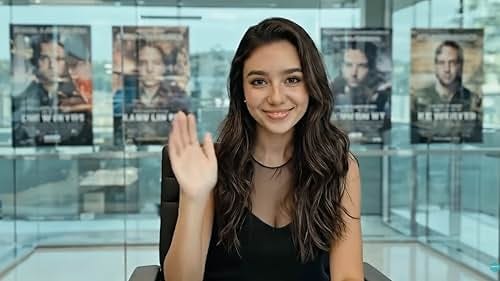
On the contrary, current AI actors like the controversial Tilly Norwood operate under a consent-based model. These digital performers are created with explicit agreements about their use and compensation. The technology may be advancing, but the questions about consent and control remain the same.
Hamill’s opposition to AI actors carries weight because of his status as a beloved genre icon. When he calls the technology “terrifying,” it influences public perception and potentially industry policy. But his criticism lacks credibility when he’s simultaneously profiting from the same technology.
The entertainment industry is grappling with legitimate questions about AI’s role in performance. The 2023 SAG-AFTRA strike included provisions about digital likeness rights, recognizing that this technology is here to stay. Actors need protection, but they also need honest conversations about what’s already happening.
Hamill’s selective outrage doesn’t advance that conversation. Instead, it creates a false distinction between “acceptable” digital resurrection (when he benefits) and “ghoulish” AI actors (when others do).
The reality is that digital resurrection technology will continue advancing regardless of Hamill’s concerns. The question isn’t whether actors will be digitally recreated—it’s how the industry will handle consent, compensation, and creative control.
The actor who once said “I wouldn’t be sitting here talking about it if it weren’t for Mike Flanagan” might consider that he also wouldn’t be appearing in modern Star Wars without AI technology. His digital ghost is already walking among us, but he just doesn’t want to admit it.
What do you think? Is Hamill’s opposition to AI actors principled concern or convenient hypocrisy from someone who’s already been digitally resurrected?
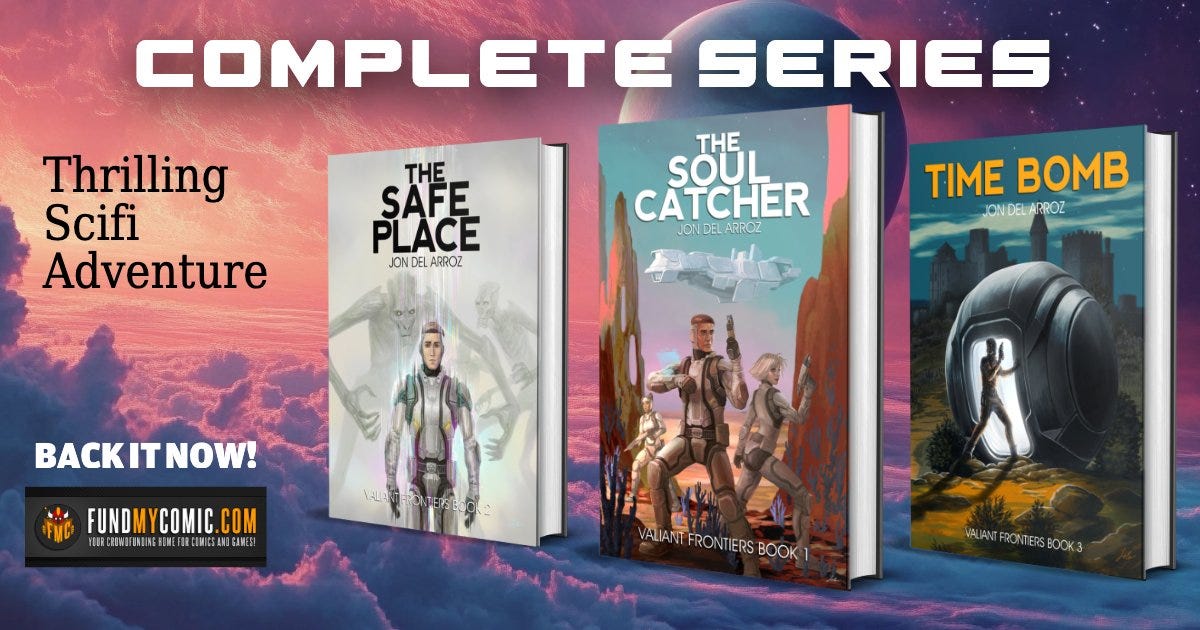
I’m putting out a trilogy of some of the best science fiction in years, bringing back the sense of wonder and exploration to the genre. The crowdfund is open now, and if you miss what sci-fi used to be, this is the series for you. Back it today.
Hamill knows even the lowliest of Ai generated-Mark Hamills can out-act him.
And then Mark attacked some trans penis because that's what Mark truly enjoys.