


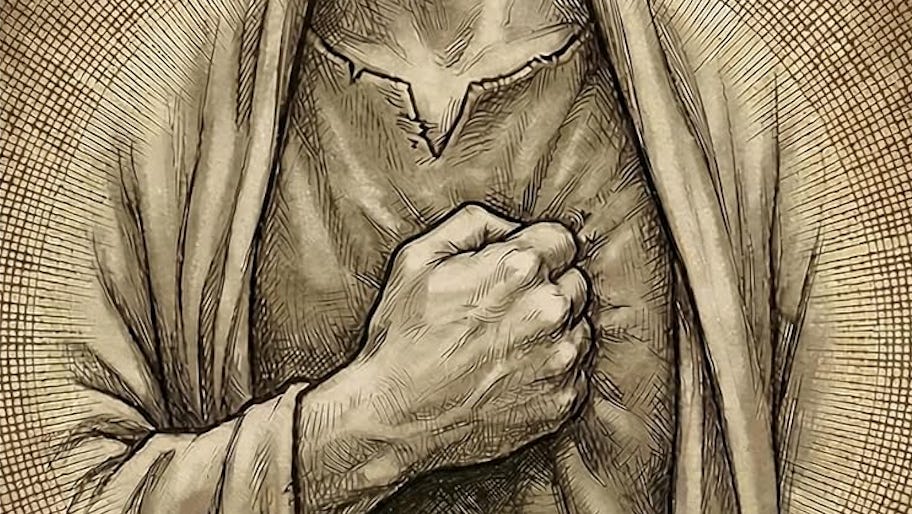
Jon Del Arroz’s new book, The Wages of Sin, releases August 20, following up Churchianity, which hit #1 in Amazon’s religious philosophy category last year. Where Churchianity diagnosed the consumer-driven model reshaping American parishes, the new book turns to a word Del Arroz says most pulpits quietly retired: sin.
The Wages of Sin builds its structure on the Confiteor, the confession prayer Catholics have recited at every Mass since at least the tenth century. Del Arroz splits the book into four sections, one for each phrase of the prayer: thoughts, words, deeds, and omissions. Nine chapters work through the sins Augustine confessed in his Confessions, including pride dressed as worship, envy refined into schadenfreude, the spiritual torpor the Church Fathers called acedia, and the four sins Scripture names as crying out to heaven for vengeance. Each chapter closes with an examination of conscience, and the appendix adds a full one plus a vice-virtue table for daily use.

The book leans on Augustine’s framework of sin as disordered love: not a checklist of prohibitions, but the habit of loving the wrong things, or loving right things out of order. Del Arroz traces that idea into Romans 6:23 and the Catechism’s teaching on mortal sin, arguing that a Church which stopped naming sin also stopped being able to prescribe its cure.
The book does not exempt its author. Del Arroz opens by identifying himself among the sinners in the chapters that follow, writing that the Confiteor is first person and that any reader who moves through the book thinking mainly about other people’s failures has missed the prayer entirely.
Churchianity‘s bestseller run gave Del Arroz an audience already primed for a critique of American church culture. The Wages of Sin asks that same audience to turn the critique inward. Both books are available now: Churchianity here, and The Wages of Sin here.
Does a readership that embraced Churchianity‘s critique of consumer faith culture stay with Del Arroz when the target shifts from institutions to their own examination of conscience, or is naming the sins of others always the easier sale?
John 8:11 ... And Jesus said unto her, Neither do I condemn thee: go, and sin no more.”
Far too many embrace the first half and ignore the second.
How do we get notified when a physical version is released?