


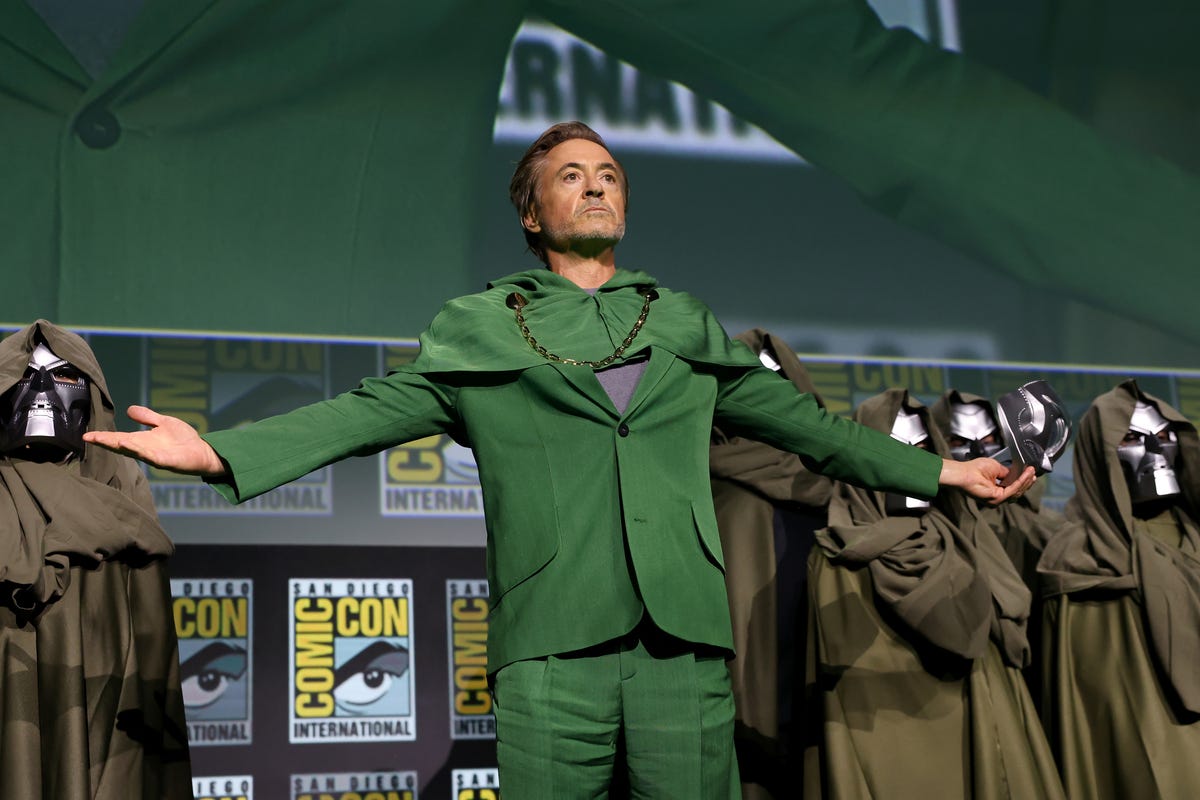
Hollywood’s identity crisis didn’t begin with a single box-office bomb. And it can’t be explained away by appeals to a bad release calendar. Instead, what we’re watching unfold is the long tail of a deeper failure: an industry that no longer understands its purpose and is trying to fill the void with desperate spending.
For most of the twentieth century, Hollywood’s power rested on a shared assumption. Movies were meant to translate the physical world into mythic form. They compressed space, time, and human conflict into stories that felt larger than life while remaining anchored to it.
Technology changed, stars rose and fell, the genres came in and out of favor; yet Tinseltown’s underlying confidence remained. Studios believed they were in the business of making films people wanted to see, and moviegoers kept enough faith in that belief to show up.

Today, it’s impossible to ignore that Hollywood’s confidence is gone. In its place lies an anxious, relict system obsessed with risk mitigation, optics management, and internal signaling.
Current Year studios greenlight projects that read well in meetings and test strong in narrow demographic slices; then act surprised when their focus-grouped product lands with a thud. The result has been a parade of expensive releases that feel curiously empty, films engineered to avoid offense instead of inviting wonder.
The financial symptoms are now impossible to ignore. Tentpole failures arrive with numbing regularity. Franchises once treated as inexhaustible gold mines struggle to recoup their budgets. International audiences, long relied upon to prop up weak domestic turnout, are losing interest in emotionally inert American glitz.

Yet numbers alone don’t explain why Hollywood feels aimless. The more telling sign is how stories are conceived. Contemporary studio films often begin with an abstract mandate rather than a concrete vision. These dictates may involve brand maintenance, social messaging, algorithmic forecasting, and often a mix of all three. Scripts are assembled to satisfy those requirements first, with character and narrative coherence treated as negotiable.
So when viewers complain that these films feel manufactured, they’re responding to a real inversion of priorities.
This creative drift shows up most clearly in the way Hollywood treats its own history. Remakes and reboots were always cash grabs. But they used to be less cynical, serving as intergenerational creative discussions. Today they function as defensive maneuvers.
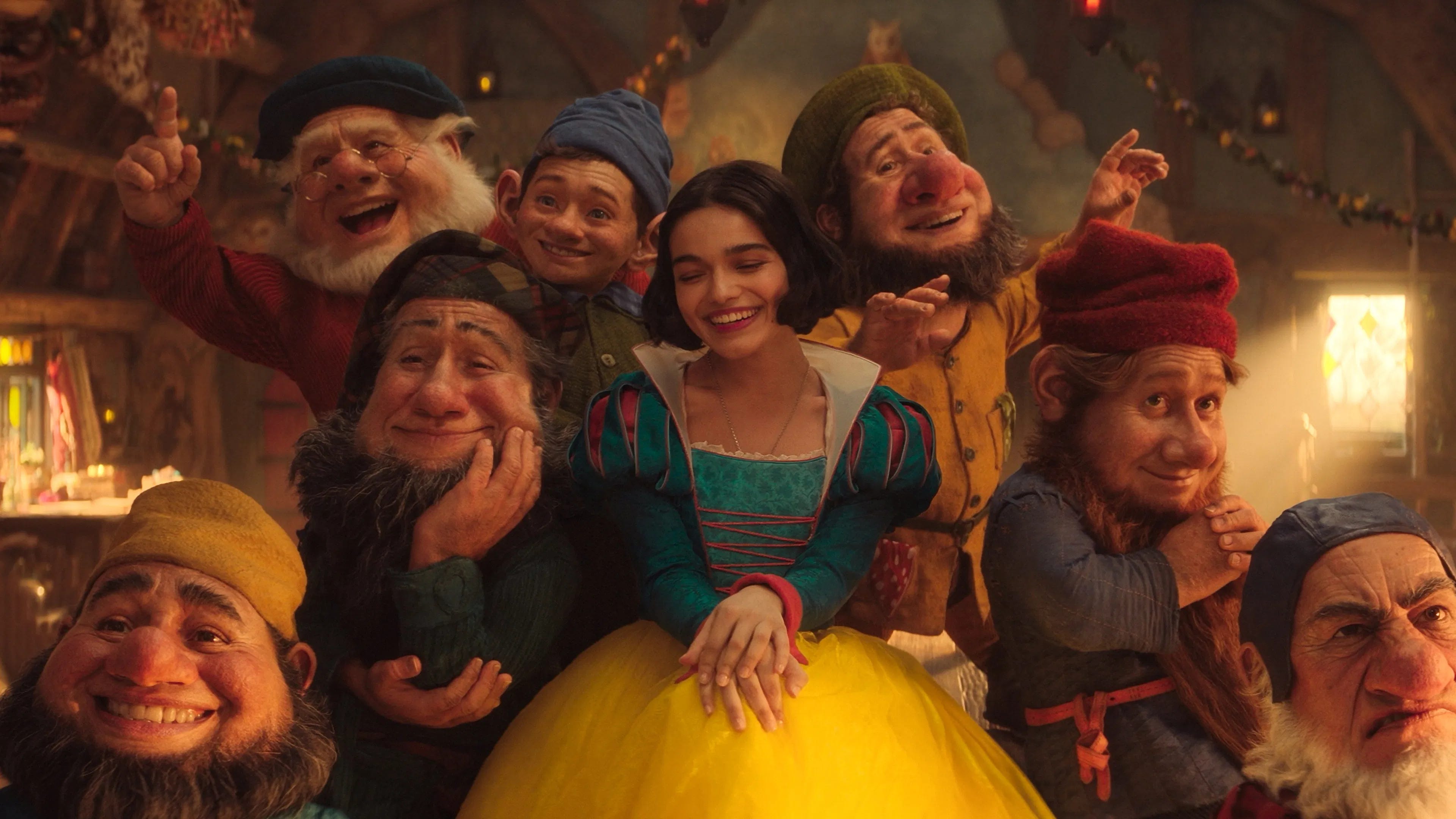
Familiar titles are deployed as insurance policies against failure. Ironically, this reliance on the past accelerates irrelevance, because the new versions lack the conviction that made the originals endure. And viewers feel the difference immediately.
Another fault line runs through the industry’s dysfunctional relationship with film making itself. Practical constraints once guided creative decisions. Location mattered. Light had texture. Performances were calibrated to physical sets and real weather.
Digital tools promised liberation from those limits, yet the overuse of those tools has flattened visual language. When everything can be altered later, nothing feels urgent now. The image becomes provisional, and that tentative quality seeps into the story.

It’s no exaggeration to say the audience response has been decisive. And though people still care about movies, they’ve redirected their attention. Independent films, international cinema, long-form television, and games are absorbing energy once monopolized by studios. Because these alternatives reward clear intent. They also remind audiences what it feels like to encounter a work that takes its existence seriously.
Hollywood’s internal discourse often frames its decline as a marketing problem. Studios assume the crisis can be solved with technical solutions like better ad campaigns, smarter release windows, and improved messaging. But those fixes treat symptoms while ignoring causes. The loss of faith didn’t come from poor advertising. It’s a result of audiences repeatedly being sold products that felt cynical or unfinished.
In short, Hollywood has broken a longstanding contract with audiences. That the studios are willfully ignorant that this contract existed makes no difference. No amount of glib slogans can paper over the trust they’ve broken.
The industry’s cultural positioning compounds the issue. Studios increasingly present themselves as arbiters of moral legitimacy, quick to instruct audiences on how stories should be interpreted and why certain creative choices were necessary. This posture alienates viewers who come to films seeking escape rather than lectures. Entertainment that demands approval before it earns affection rarely receives either.

What makes this moment particularly stark is the contrast with filmmakers who still operate outside the dominant system. When a director commits to a vision, whether through disciplined digital craftsmanship or through the stubborn embrace of physical production, audiences notice. Those films feel intentional. They invite participation rather than compliance. And they succeed not for chasing trends, but because they articulate an honest point of view.
Hollywood’s sickness worsens because it resists that lesson. Healing would require accepting limits, committing to an authentic vision, and allowing the possibility of failure. Corporate culture discourages all three. Layers of oversight diffuse responsibility until no one owns the outcome. And when there’s no skin in the game, victory has many fathers, but defeat is orphaned.
The path forward should be no mystery. It involves remembering that cinema is an encounter between a maker and an audience, mediated by artistry and grounded by reality. Stories gain power when they risk specificity. That means trusting viewers to meet you halfway and acknowledging the truth instead of retreating from it.
Until Hollywood relearns that lesson, its identity crisis will only compound.
It’s sad, honestly. An industry that once defined the cultural imagination now struggles to recognize itself on screen. And the solution won’t come from larger budgets or louder campaigns. It can only come from the quieter decision to have meaning again.
Brian Niemeier is a best-selling novelist, editor, and Dragon Award winner with over a decade in newpub. For direct, in-person writing and editing insights, join his Patreon.

There's a very important difference between "how can I get people to buy what I make" and "how can I make what people want to buy."
See also: Marvel movies. It’s the ultimate slop, written by committee, and relying solely on marketing for success.
People literally watch it because they believe it’s something they’re supposed to like. Nobody reads comics anymore. The actual comic fans are what… 5% of the audience?
Everyone else is just there because they know that they’re *supposed* to like it.
It’s literally slop, written by NPCs FOR NPCs.