


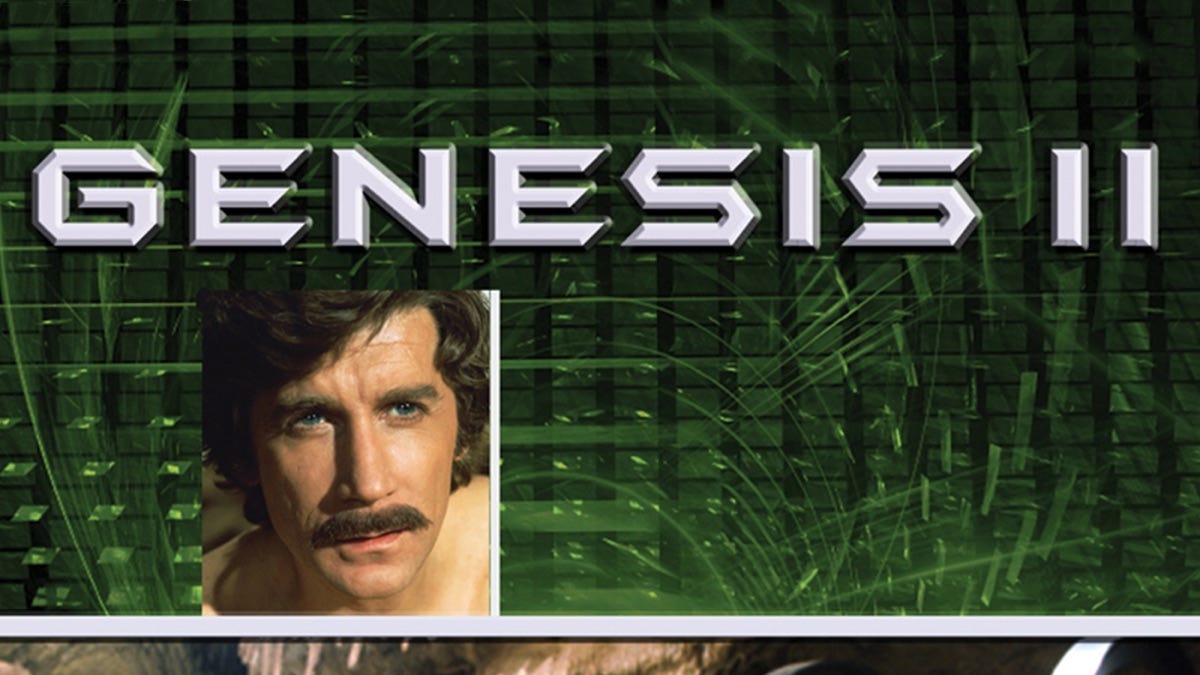
Gene Roddenberry developed Genesis II as a made-for-TV movie in 1973, hoping to launch a new science fiction series after Star Trek’s cancellation. The pilot follows Dylan Hunt, a NASA scientist from the 1970s who volunteers for a suspended animation experiment. An earthquake buries his capsule, and he wakes up in the 22nd century to find civilization destroyed by nuclear war and humanity fragmented into competing factions.
The production history is rocky. CBS aired Genesis II in March 1973 but chose to produce the Planet of the Apes TV series instead of picking up Roddenberry’s show. Undeterred, Roddenberry reworked the concept into Planet Earth (1974), another pilot starring the same character Dylan Hunt but with a different actor and altered premise. That failed too. Warner Bros. tried one more time with Strange New World (1975), which aired without Roddenberry’s involvement after he removed his name from the project due to studio interference. None of these pilots became a series, and the Dylan Hunt concept died. However, the character name was later used in Andromeda years later.
Genesis II is better than its failure suggests. The film opens with solid action. Hunt wakes to a world he doesn’t recognize, captured by the Tyrannians, a militaristic society that uses genetic engineering and mind control to dominate others. He’s rescued by Pax, a peaceful organization working to rebuild civilization through cooperation and knowledge. The faction names are on-the-nose—Pax (peace) versus Tyrannians (tyranny)—but that clarity works for pulp science fiction. You know who the good guys are, and the story doesn’t waste time pretending otherwise.
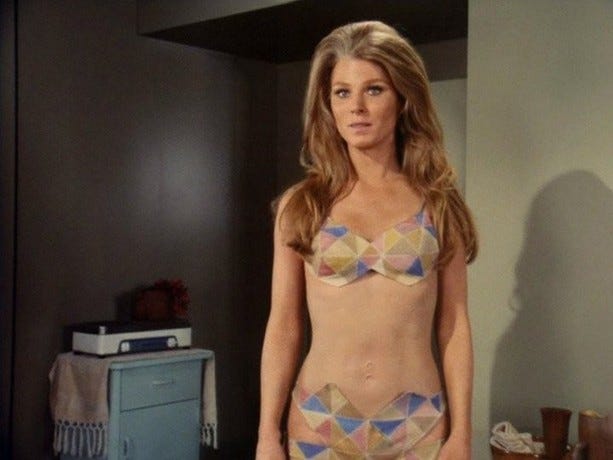
Lyra-a, played by Mariette Hartley, is a Tyrannian woman who becomes Hunt’s guide and eventual ally. She’s compelling, and Hartley brings genuine presence to the role. The decision to give Tyrannians a second navel as a genetic marker is silly—pure 1970s sci-fi weirdness that makes you roll your eyes every time the camera lingers on her torso. But it’s the kind of silliness that’s charming in retrospect, a reminder of when science fiction didn’t take itself too seriously.
Hunt adapts to the post-apocalyptic world remarkably fast for a scientist. At one point, he mounts a fallen horse mid-action sequence and rides away like he’s been doing it his whole life. There’s no explanation for how a NASA scientist from 1973 knows how to ride a horse in combat situations, but the film doesn’t care. It’s swashbuckling adventure, and Hunt does what the plot requires. That’s pulp storytelling—competence when needed, vulnerability when dramatically appropriate.
The climax involves Hunt using a nuclear weapon to stop the Tyrannians from conquering Pax. It’s a poignant choice that plays on 1970s nuclear anxieties. The weapon that destroyed civilization becomes the tool to prevent its final extinction. Hunt wrestles with the decision, understanding the irony and horror of using nuclear force even for defensive purposes. For a TV movie, it’s a surprisingly thoughtful moment that elevates the material beyond simple good-versus-evil action.
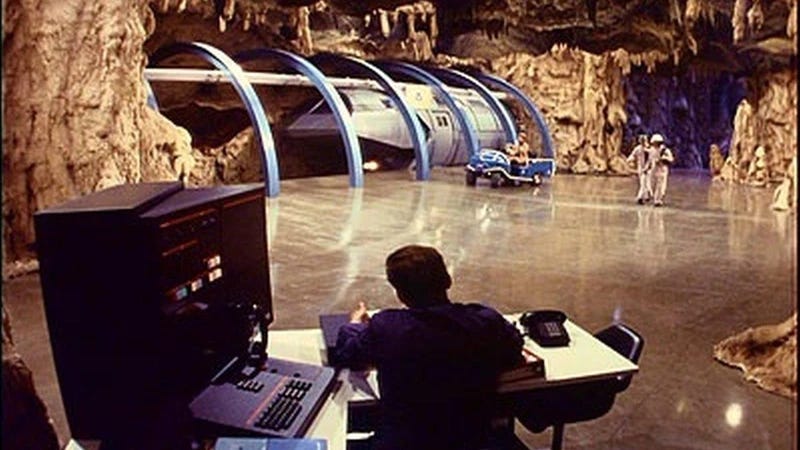
The film escalates nicely. It starts with Hunt’s confusion and capture, builds through his introduction to Pax and the Tyrannian threat, and culminates in the nuclear standoff. The pacing works, keeping momentum even when the script slows down for worldbuilding exposition. And there’s plenty of exposition—characters explain the post-apocalyptic factions, the subterranean transit system, the genetic modifications, and the political situation in dialogue that’s functional but stilted. These scenes drag, but they’re necessary to establish the setting.
The science fiction elements are cheesy by modern standards. The Tyrannians use a “pain device” that emits a weird electronic noise and makes Hunt recoil in agony. There’s a “truth-telling device” that forces Lyra-a to admit she’s falling in love with Hunt in a scene that ends up pretty silly. The device hums, she struggles, and then confesses feelings she’s been suppressing. It’s campy, but it works within the film’s tone. Genesis II doesn’t pretend to be hard science fiction. It’s adventure with sci-fi trappings, and the cheesy gadgets are part of the charm.
The film’s tone is lighter than you’d expect from a post-apocalyptic story. Despite nuclear war, genetic slavery, and mind control, Genesis II never feels oppressively dark. It’s optimistic in the Roddenberry tradition, he posits that humanity can rebuild, knowledge can triumph over tyranny, and individuals can make a difference. That optimism is refreshing compared to modern post-apocalyptic fiction, which tends toward nihilism and despair.
The production values are TV-movie standard for 1973. The sets are functional, the costumes are colorful, and the action sequences are competent. The subterranean transit system is a clever worldbuilding detail. Most of the film takes place in underground facilities and rural locations, keeping costs manageable.
Alex Cord plays Dylan Hunt with earnest charm. He’s not a great actor, but he sells Hunt’s fish-out-of-water confusion and his growing commitment to Pax’s ideals. Hartley is the standout, bringing depth to Lyra-a that the script doesn’t always support. The supporting cast is solid, with veteran character actors filling out the Pax council and Tyrannian leadership.
Roddenberry’s fingerprints are all over Genesis II. The optimistic humanism, the belief in reason and cooperation over violence, the diverse cast working together are Star Trek themes transplanted to a post-apocalyptic Earth. The film even includes a Prime Directive-style debate about whether Pax should interfere with other communities or let them develop independently. It’s Roddenberry doing what he does best: using science fiction to explore contemporary issues through allegory.
The failure to launch a series is frustrating because Genesis II had potential. The setting supports episodic storytelling. Hunt and Pax could explore different post-apocalyptic communities each week, encountering various societies that evolved from the nuclear war. Some would be utopian experiments, others dystopian nightmares. The format writes itself. But CBS chose Planet of the Apes instead, and Roddenberry’s vision died in development hell.
The subsequent pilots diluted the concept. Planet Earth kept Dylan Hunt but changed the tone and added more action. Strange New World abandoned Hunt entirely and focused on a different group of explorers. Neither captured what made Genesis II work.
There are flaws to the film, however. The dialogue is clunky in places, the worldbuilding exposition slows the pacing, and some of the science fiction elements are laughably dated. But it’s fun. It’s earnest. It believes in its characters and its themes without irony or cynicism. In an era when post-apocalyptic fiction is relentlessly grim, Genesis II’s hopeful tone feels almost radical.
The film works as a standalone story. Hunt wakes up in a ruined world, chooses a side, and makes a difference. The nuclear climax provides closure while leaving room for future adventures. If you’re a fan of 1970s science fiction or Roddenberry’s work, Genesis II is worth watching. It’s not Star Trek, but it’s a solid example of what TV science fiction could be when creators had ideas and networks were willing to take risks.
Rating: 7.5/10
What do you think? Should CBS have greenlit Genesis II instead of Planet of the Apes, or did they make the right call?
They should've greenlit both and had far fewer of those un-funny "comedies" of the 1970s.
2/ My guess why it was not green lighted: it was a daft concept, born of Roddenberry’s Leftist ideology, doomed to fail. Pax could not even survive one episode with rescue from a deus ex machina. Doing this in each episode would require increasingly bizarre plot twists, in addition to those to express Roddenberry’s other increasingly Leftist fantasies.