


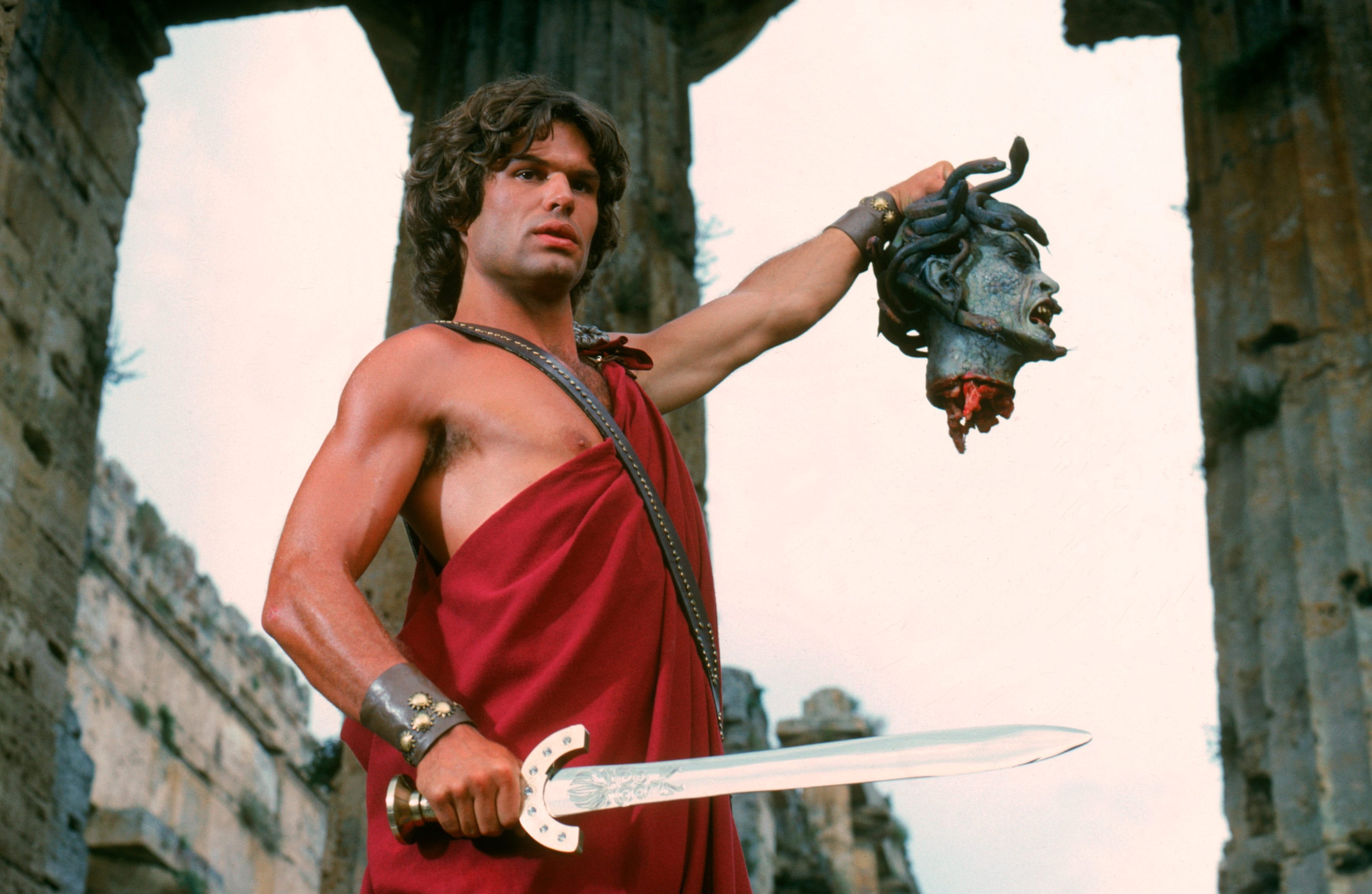
The 1981 Clash of the Titans is not a great film. Its acting is wooden, its script is thin, and its special effects, while charming, have aged like milk left in the Mediterranean sun. But it is an honest film. It presents its world with a straight face and a sense of wonder. The gods are capricious, but they are also generous. Perseus accepts their help. Love drives the story. And when the hero wins, he does so with divine assistance and returns to a world that makes sense. And while it does not follow the Greek myth exactly, it retains the spirit of ancient Greek myths.
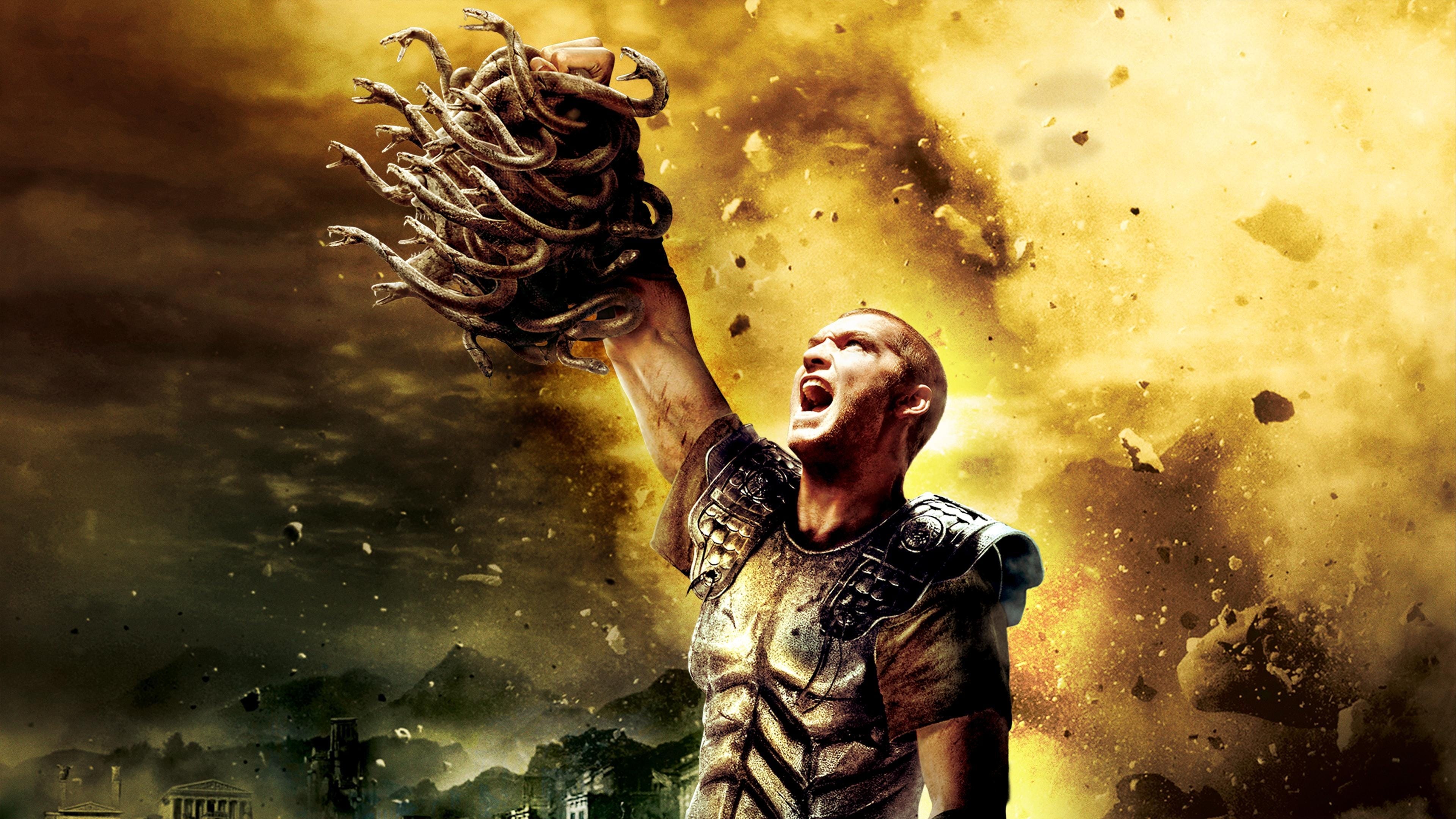
The 2010 remake is also not a great film, but for entirely different reasons. It is loud, grey, and humorless. Sam Worthington broods through the role of Perseus as though he wandered in from a different, worse movie. The action is competent but hollow. And buried beneath the CGI spectacle is a worldview that is, whether by design or osmosis, aggressively anti-Christian. It elevates pride and hubris and could be considered an anti-myth.
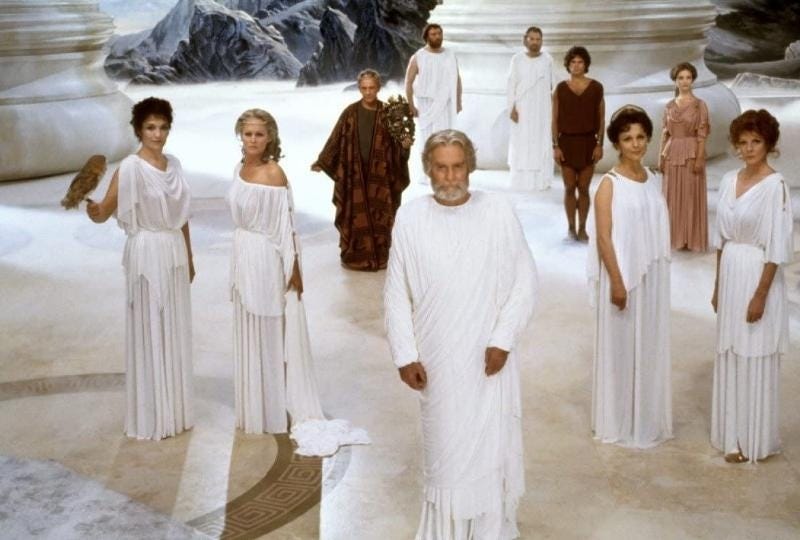
The 1981 film operates within an enchanted universe. The gods exist, they are powerful, and they involve themselves in human affairs for both good and ill. Zeus gives Perseus a sword, a shield, the helmet of invisibility, and a mechanical owl. These are gifts, freely given. Perseus does not earn them through suffering or prove himself worthy through angst. He receives them because he is the son of Zeus and because the story requires him to have them.
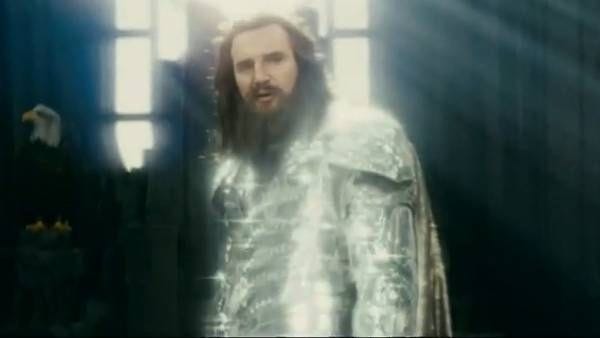
The 2010 remake is different. The gods also exist, but they are not generous. They are parasitic. Zeus explicitly states that human prayer sustains the gods, that without worship they weaken and die. This is a remarkable theological claim. The Christian God is self-sufficient, lacking nothing, needing nothing from His creation. “If I were hungry, I would not tell you,” says the Psalmist, “for the world and its fullness are mine.” The gods of 2010 are needy. They demand worship not because they deserve it, but because they require it to survive. This is not paganism. This is a slander against divinity itself.
The most revealing moment in the remake comes when Zeus speaks of humanity. “I want them to love me,” he tells Perseus, “but I don’t want to lose my son.”
Consider that line carefully. It is a direct inversion of the Gospel of John. “For God so loved the world that He gave His only begotten Son.” The Christian God loves humanity so much that He is willing to lose His Son for their sake. The Zeus of 2010 loves humanity only so long as it does not cost him anything. He wants affection without sacrifice. He wants adoration without vulnerability.
This is not Zeus. This is modern man’s caricature of the Christian God, filtered through resentment and projected onto pagan myth. This is a view of divine authority as inherently oppressive. The result is a film in which the highest moral act is to reject the gods entirely and to rebel against authority, heroism, and destiny. It is a nihilist view of the supernatural.
The 1981 Perseus is comfortable with his dual nature. He is half divine and half mortal, and he does not spend the film agonizing over it. He does have anxiety over his heritage, he is determined to find and fulfill his destiny, and he does not have contempt for the gods.
The 2010 Perseus will not stop reminding everyone that he is a man. “I am a man,” he says, over and over, as though saying it enough times will make it true. He rejects his divine father. He refuses the gods’ gifts. He insists on doing everything himself, through sheer human will and determination. When he finally accepts the sword Zeus offers, it is framed as a concession, not a gift.
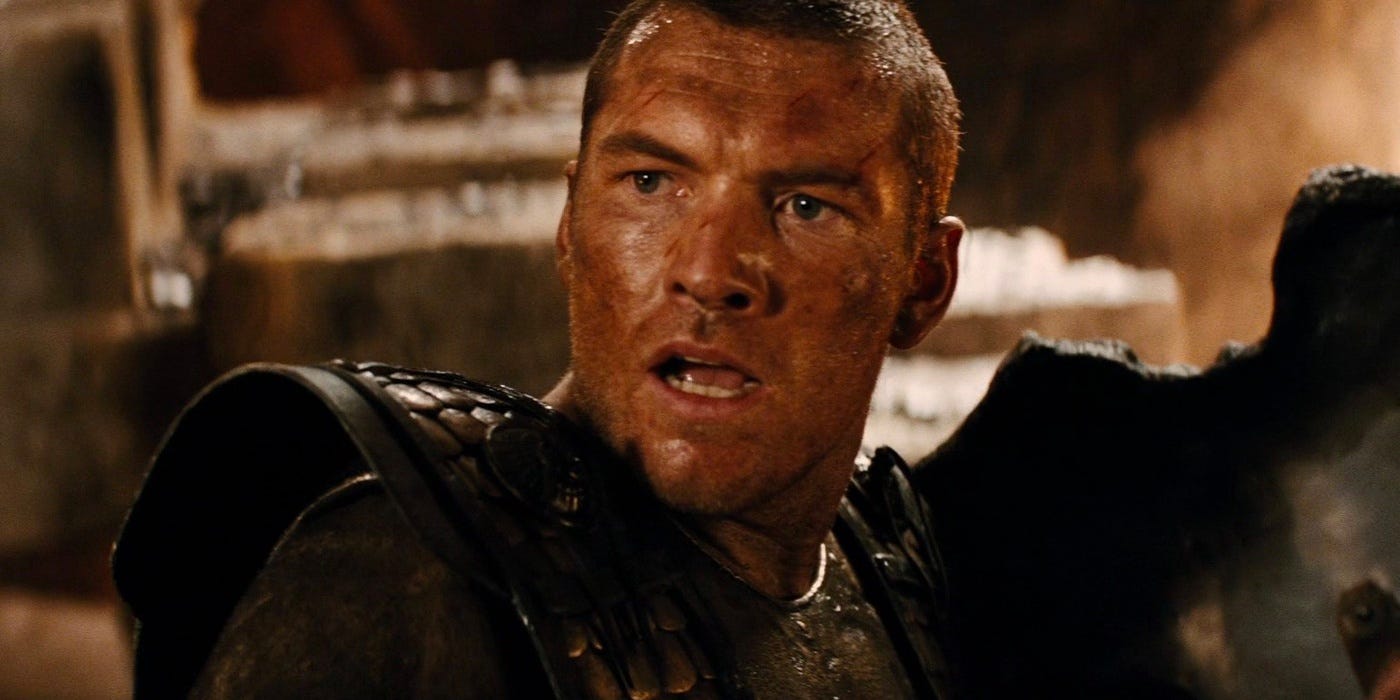
This is the secular humanist creed given cinematic form. Man needs no help from above. Man is sufficient unto himself. Man can slay monsters, defy the gods, and save the world through his own strength and courage. It is the oldest lie in the book. “You will be like God.” The serpent whispered it in Eden, and Hollywood repeats it in multiplexes.
The tragedy is that the 2010 film does not even believe its own message. Perseus cannot actually defeat the Kraken without the sword Zeus gives him. He cannot find Medusa without guidance. He succeeds only because divine aid is forced upon him despite his protests. The film wants to have it both ways: it wants the hero to be self-sufficient while relying on the very divine power he claims to reject. This is not heroism. This is ingratitude.
The 1981 film is also driven by love. Perseus sees Andromeda, falls in love with her, and risks everything to save her. The romance is simple and naive, but it is present. It gives the story emotional weight.
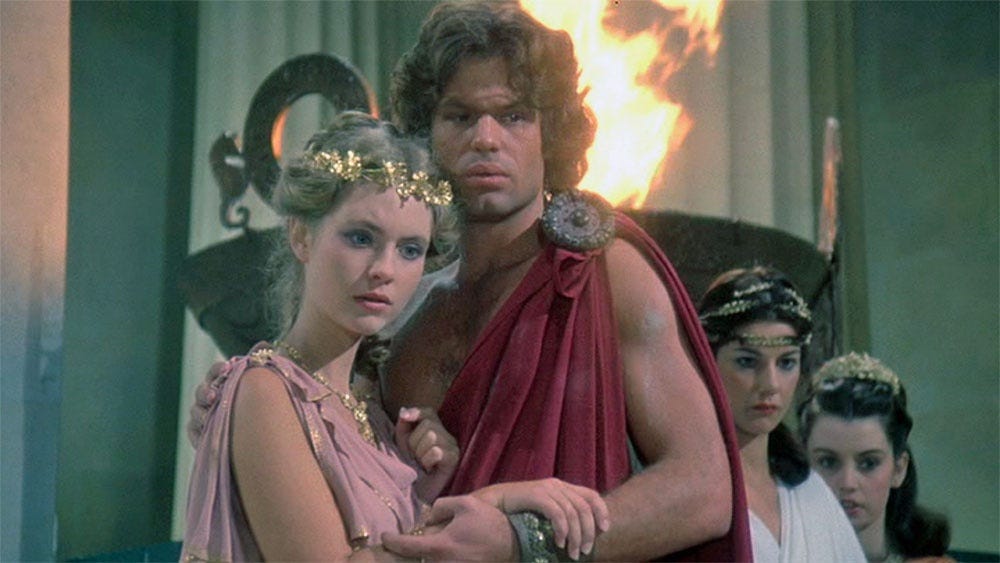
The 2010 film replaces this with a romance between Perseus and Io, a demigoddess who acts as his guide and protector. Andromeda is reduced to a political symbol, a princess who must be saved not because Perseus loves her, but because it is the right thing to do. There is no romance between them. The film ends with Perseus rejecting both Andromeda and Olympus, choosing instead to live as a simple fisherman. He rejects the responsibilities of his heritage for an idyllic life. He retires rather than rises.
The Kraken in the 2010 film is not just a monster. It is a symbol of divine tyranny, a weapon used by Hades to terrorize humanity into submission. Andromeda is to be sacrificed to it, an innocent victim offered to appease an angry god.
Contrast it with the 1981 film, where the Kraken is used for divine punishment, not submission. It is used for those who openly blaspheme the gods, not as a means to ensure the gods are satiated by the prayers of humanity.
There is no grace in the 2010 film. There is no redemption. There is only man, standing alone against the darkness, defiant and empty. The 1981 film ends on an uplifting note, with Perseus marrying the princess and secure in his place amongst the gods.
The 1981 film understood something that the 2010 film does not. Man is not sufficient. Man needs help. Man needs gifts he did not earn and cannot deserve. The old film is not particularly Christian in its theology, but it is Christian in its structure. The hero receives grace. He accepts it. He is grateful for it. And he uses it to accomplish what he could not accomplish alone.
The 2010 film is Christian in its structure only as a negation. It is the gospel of autonomy, the “good news” that you do not need God. It is the story of a son who rejects his father and calls it freedom. It is a fable for an age that has declared its independence from Heaven and is slowly discovering that independence is just another word for orphanhood.
The 2010 Clash of the Titans is not a great movie. But it is an instructive one. It shows us what happens when a culture that has rejected Christianity tries to tell old stories. The myths become hollow. The heroes become petulant. The gods become tyrants. And the happy ending becomes a solitary fisherman on an empty beach, having saved a world he does not love from gods he does not trust.
The 1981 film is naive and simple. But it believed in something. The 2010 film is slick and modern. And it believes in nothing. I know which one I would rather watch. And I know which worldview is preparing my children for the world they will inherit.
Choose your myths carefully. They shape the souls of those who consume them.

Used to love this movie! 'Release the Kraken!' was an awesome scene!
In other words, the 2010 film is Satanistic 100%. Like most of the West since the Renaissance!