


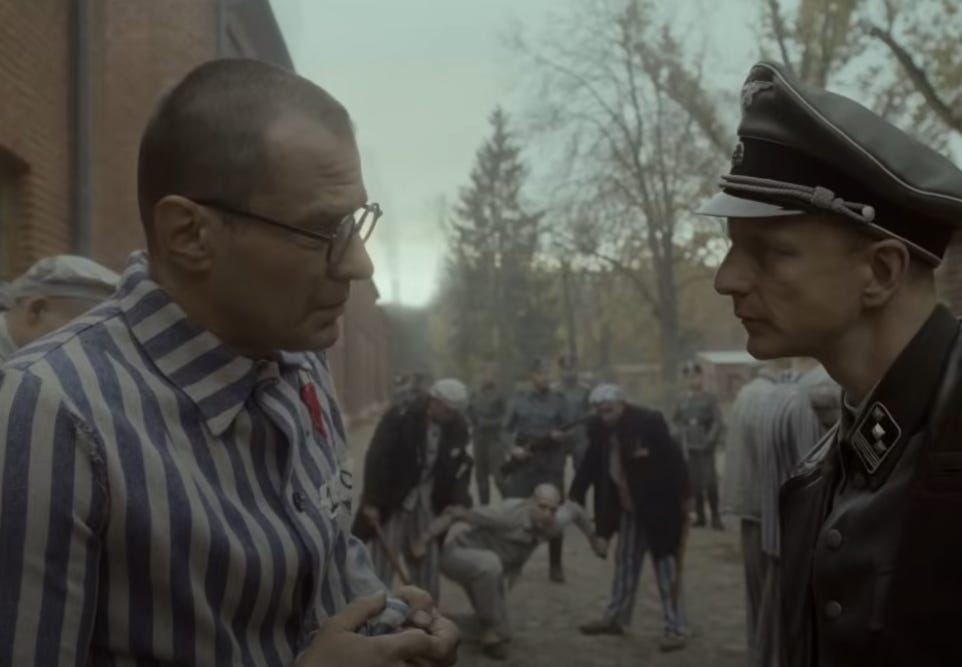
Cecilia Stevenson is one of the producers for the upcoming film Triumph of the Heart, which tells the story of St. Maximilian Kolbe as he offers his life for a fellow prisoner in Auschwitz and is sentenced to starve to death in an underground bunker.
Stevenson spoke with Fandom Pulse about the film and shared a number of the challenges she and the team faced on bringing the film to life as well as the miracles they witnessed as well. Additionally, she talked about what she learned about St. Maximilian Kolbe and what she hopes people take away from the film.
Fandom Pulse (FP): Why did you choose to do a film about St. Maximilian Kolbe rather than lesser-known saints who have not had their stories depicted in film as often?
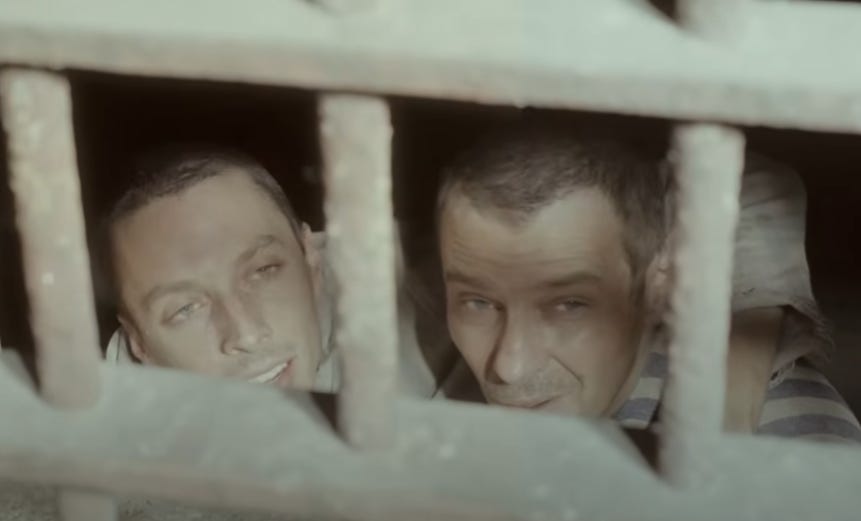
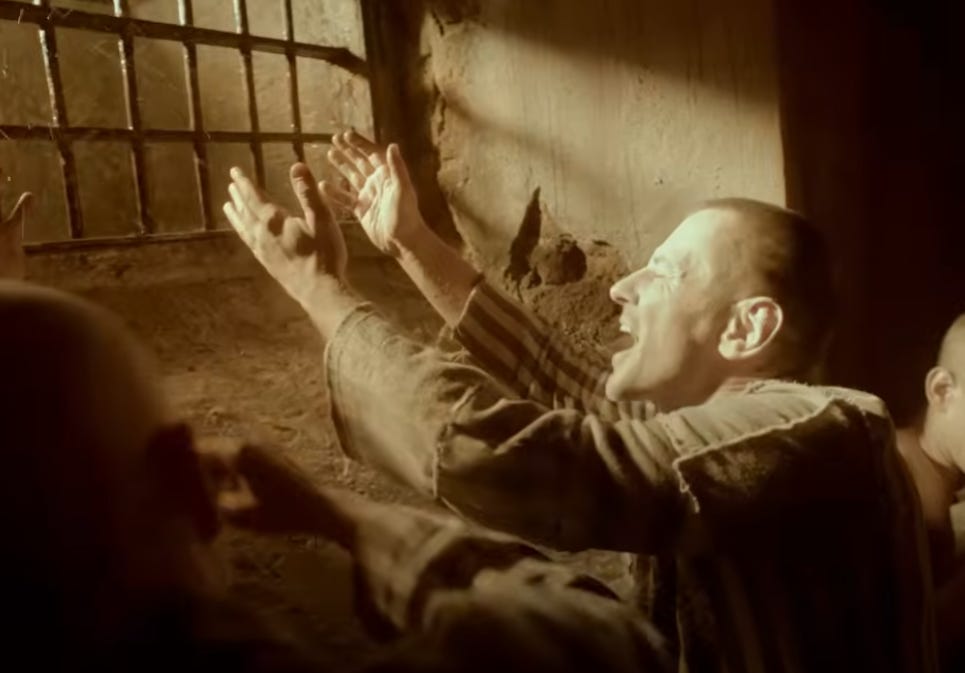
Cecilia Stevenson: There has never been a saint movie like ours about St. Maximilian Kolbe. Most stories about Kolbe end with his decision to trade his life for another man's. Our story starts there. What Kolbe did is a modern-day example of what it means to be a Christian and we believe that it is a story worth telling in a movie. He entered into that cell to bring love and hope to those nine other men in one of the darkest places in human history. Suffering is a part of life and people today are lost and looking for hope. We believe Kolbe's story can bring hope to people today just as it did back in 1941.
FP: While working on the film, was there something you discovered about St. Maximilian Kolbe you didn’t know before and if so how has it affected your life? And if not, how has St. Maximilian Kolbe affected your life?
Stevenson: I admit I didn't know much about St. Maximilian Kolbe when I started working on this film. I knew he sacrificed his life to save another in Auschwitz, but that was basically it. Through working on this film, I learned many more things about him. One that stands out in particular is how devoted he was to the Virgin Mary. I've never really had a relationship with Mary, but over the course of working on this film for the past couple years, my interest in developing a devotion to her has grown. Kolbe is known for having said, "Never be afraid of loving the Blessed Virgin too much. You can never love her more than Jesus did." I've been thinking about this idea lately and seeing how much Kolbe loved Our Lady has really inspired me to be more open to developing a relationship with her and asking her to lead me closer to her son.
FP: What are some of the difficulties or challenges you’ve faced in creating this film?
Stevenson: The challenges I've faced in creating this film have ranged from logistical challenges such as problem-solving with limited funds and resources to emotional challenges such as overcoming my own feelings of overwhelm and burnout. Unexpected weather forecasts, scheduling conflicts, props not arriving to set on time, conflict among the crew, miscommunications with actors regarding facial hair, not having accommodations for the cast and crew for the next day — the list could go on and on. There was never a shortage of problems to solve and decisions to make — both both creative and logistical.
FP: Jim Caviezel and Mel Gibson have famously discussed a number of miracles they witnessed while filming The Passion, did anything similar happen while making Triumph of the Heart?
Stevenson: God showed up for us constantly while we were making this movie. Whether it was an investor showing up at the last minute with the funds we needed to go into production or meeting through a Facebook group a locations manager who was the exact person we needed to make the production possible. There was the time our props master was running late with key props so we improvised some scenes with our actors — these scenes then turned out to be crucial shots we needed in the edit that we wouldn't have filmed otherwise. Or there was the time a snow forecast forced us to push back two big shoot days — thus solving a scheduling issue we were having with one of our actors. Sometimes miracles looked like God blessing us with an amazing cast. Sometimes they looked like God giving us employee housing that was within budget and large enough to accommodate many members of our cast and crew. God has blessed our film abundantly.
FP: What has it been like to work with director and writer Anthony D’Ambrosio?
Stevenson: Anthony is an incredibly talented writer, director, and leader. I admire him a great deal. He has poured so much of his heart and soul into this movie and he has sacrificed so much to get to where we are now. We've worked together for years and our skills and strengths are incredibly complementary. He does creative and vision and I do operations and execution. It's honestly been a really great experience working on this film together. We have our fair share of disagreements, but at the end of the day - we are aligned in our values and we're both dedicated to the film and to striving after holiness.
FP: Can you explain the distribution strategy you’re using to get the film into theaters? Has it been successful?
Stevenson: Distributing independent films is insanely difficult. Our focus has been on spreading the word about our film primarily through grassroots campaign efforts. We believe that once theaters see that a large number of people are behind our movie, they might take notice of us. At this stage in the process, I would say our efforts have been successful. It really feels like there is excitement and buzz around our movie and we're hoping that will translate to theaters giving us more screens on opening weekend.
FP: What is the goal or purpose that you hope to accomplish with the film? What do you hope people take away from it?
