

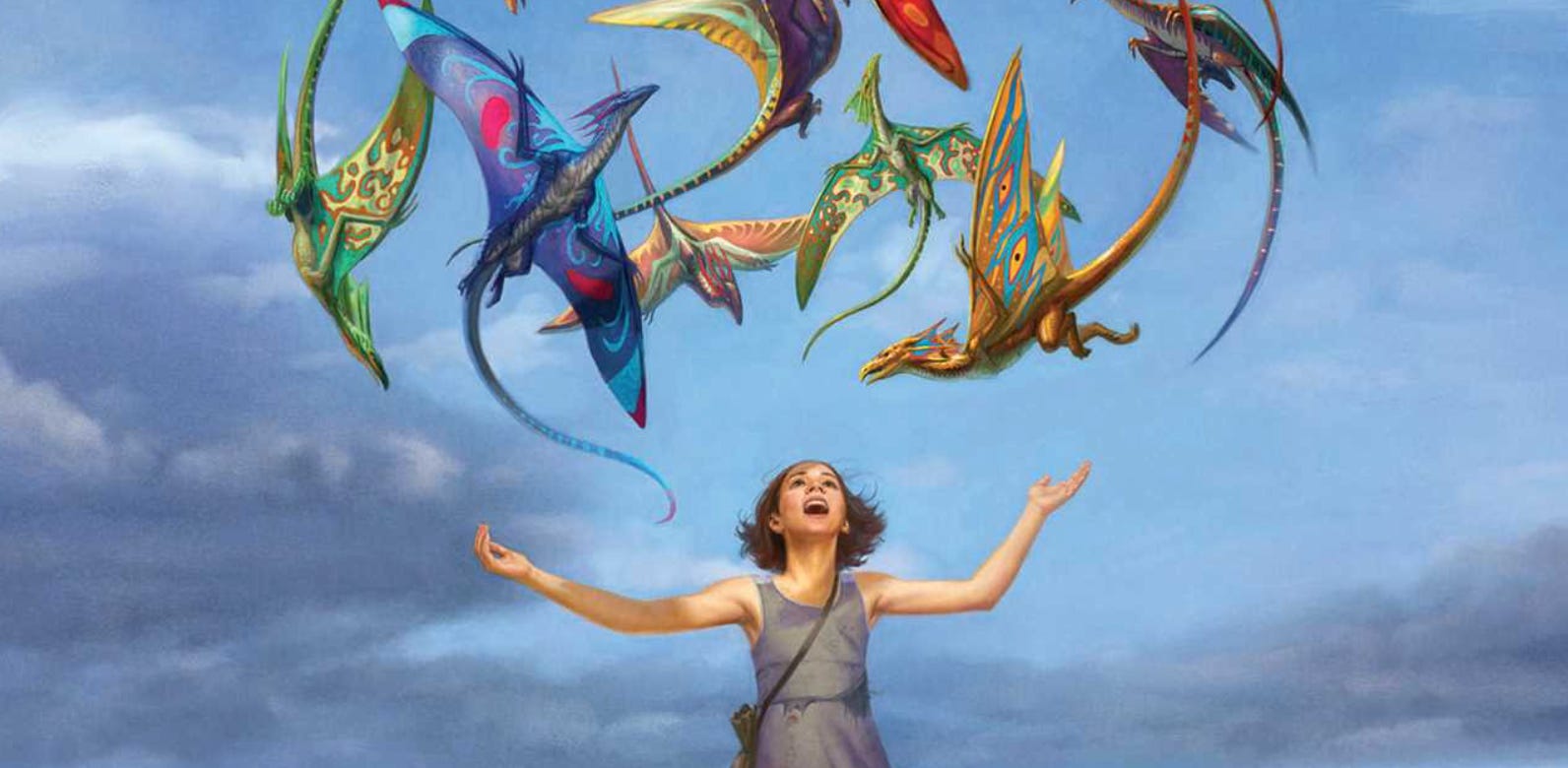
Menolly runs from a home that won’t let her sing, and somewhere around page forty you stop reading and start living on Pern. That’s the trick of this book, and McCaffrey pulls it without ever sitting you down to explain how dragons work or what Thread is. She hands you a girl with music in her and a family set on beating it out of her, and you are gone.
Here’s the setup. Menolly is the youngest child in a sea hold run by her own father. The old harper who taught her everything has died, and her talent embarrasses the people who are supposed to love her, so they bury it. They put her on gutting work, and when the knife slips and lays her hand open, nobody minds much that it heals stiff. A hand that can’t hold a pipe can’t shame the family. If you have ever loved a thing the people around you wanted you to keep quiet about, McCaffrey already has you by the collar.
That ache is the engine of the book. Menolly does not want a revolution; she wants to make songs, and everyone around her treats that want as a defect. McCaffrey writes the suppression of a gift better than almost anyone, because she keeps it small and close to the bone: a girl rubbing a scarred hand at night, working out whether the music is gone for good.
Then the girl runs, and the story breaks loose. She shelters in a seaside cave and stumbles onto a clutch of fire lizards about to hatch. Acting on instinct, she feeds the newborns, and nine of them imprint on her then and there. She names every one, and the gold queen, Beauty, becomes the first creature to need her exactly as she is. The gift the hold tried to kill builds her a family, and when the wider world comes looking during a Threadfall, that buried talent becomes her way out.

The wild middle, Menolly and her fire lizards against the daily work of staying alive, is the warmest survival story I know. McCaffrey keeps it in the body, the cold sand and raw fish and salt air of it, and the prose stays out of the way. Chapters end right where you want one more, which is why my nine-year-old negotiated for another three nights running when I read it to her last winter.
It is not flawless. The family at the hold stay thin, more weather than people, and once help arrives the resolution comes fast. Its prose runs plain too, so if you read fantasy for sentences that sing, look elsewhere. None of that slowed me down, but go in knowing.
A word for the parents, since that is half my job. This one is clean. It has hardship and a cold family in it, but nothing you need to screen first. I have handed it to confident eight-year-olds and surly twelve-year-olds with the same result. And it is the first of three. When your kid finishes, Dragonsinger and Dragondrums are waiting, and they will ask for both.
Is it the deepest thing on the Pern shelf? No. The grown-up dragon novels run darker, and you should get to them. But McCaffrey was the first woman to win a Hugo and a Nebula, and for a generation this trilogy was the front door into her world. Forty-some years on, that door still swings clean.
Rating: 8/10. A near-perfect gateway and a book I will keep handing across the desk, held back only by a thin supporting cast and a quick finish.
So here’s my question for you. What’s the book somebody put in your hands at exactly the right age, the one that turned you into a reader for good?
Six books. One unforgettable world. The Adventures of Baron Von Monocle is steampunk adventure with the kind of worldbuilding and heart that made you fall in love with fantasy in the first place. Start the series on Amazon.
NEXT: EXCLUSIVE INTERVIEW: Adrian Tchaikovsky Talks His Sci-Fi Work And New Graphic Novel
Possibly the Fellowship of the Ring. More likely whatever book my grandma used to teach me to read. "That little girl is ready," she said "and it will open the world to her."
And it did.
Read aloud to your kids, early and often.
No Jesus? Explicitly Christian tales? Church history? Who Christ changed the West? Pass.