


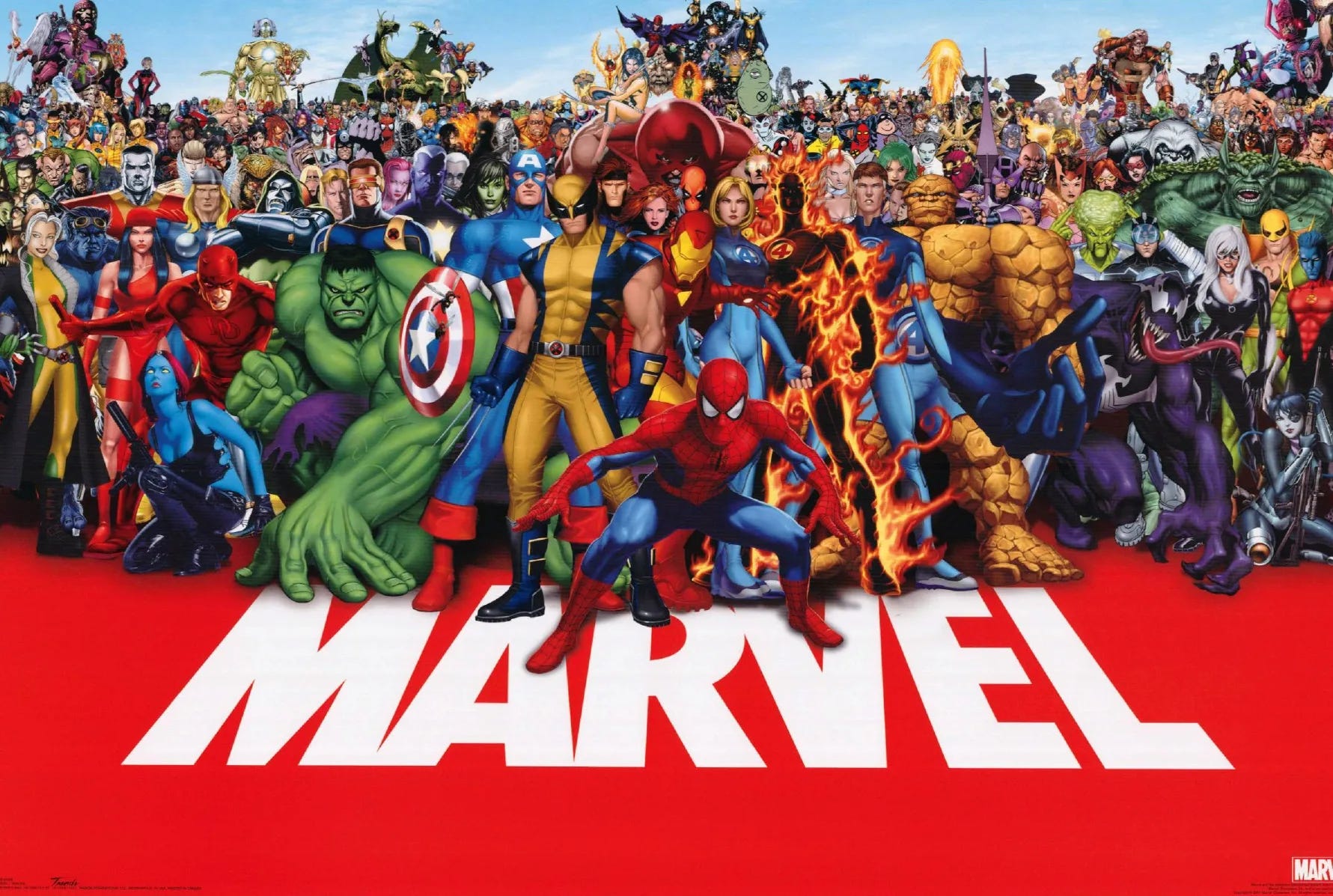
Disney cut roughly 1,000 employees across the company today. Marvel took some of the deepest hits.
Both Marvel Entertainment in New York and Marvel Studios in Burbank lost staff, with layoffs confirmed across film and TV production, comics, franchise, finance, and legal. According to Deadline, approximately 8% of Marvel’s total workforce is gone.
The visual development cuts tell the real story. Marvel Studios eliminated most of its in-house visual development team and will replace them with outside contractors hired project by project. That is not a restructuring. That is a studio that no longer trusts its own pipeline enough to staff it permanently.
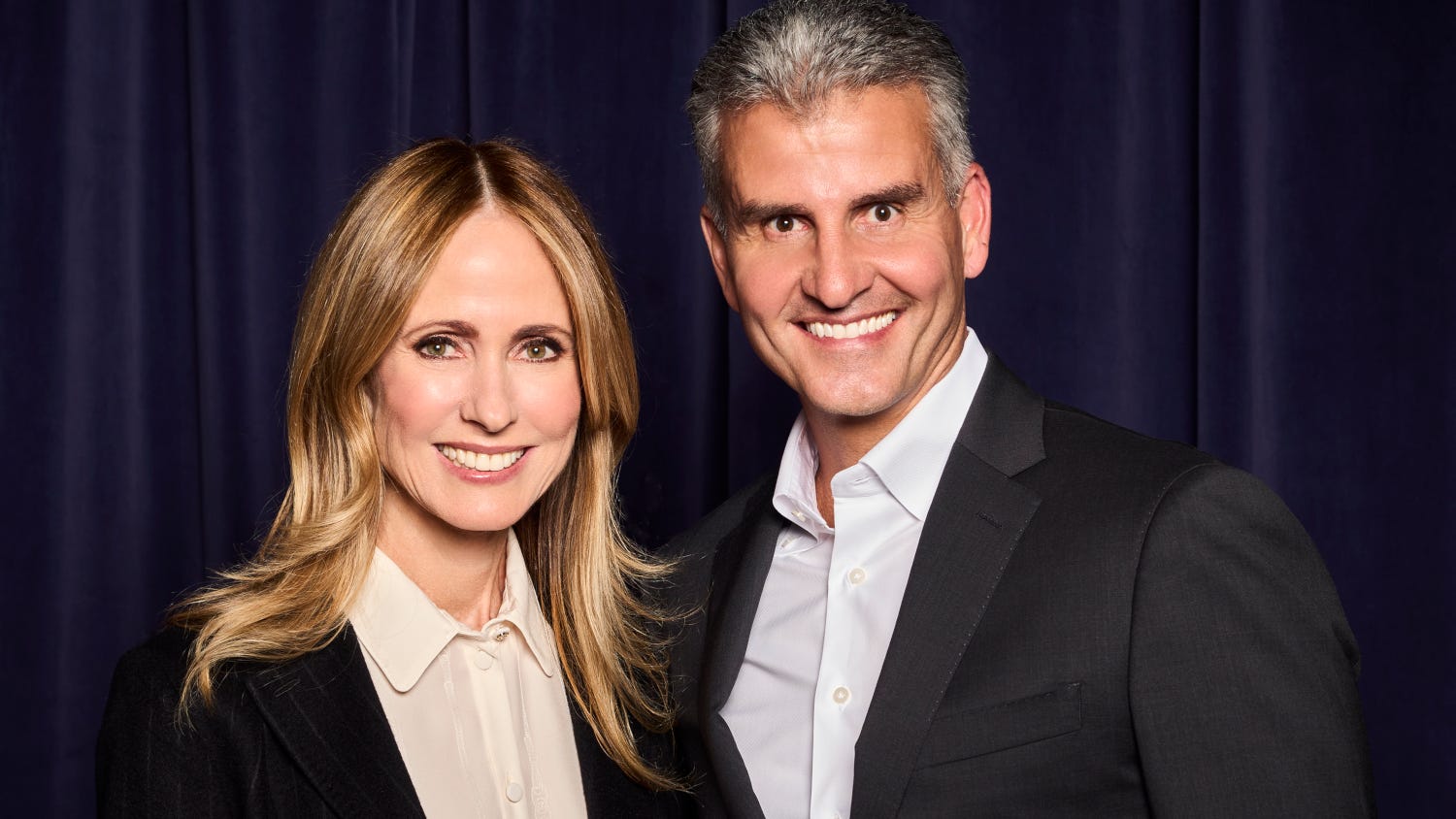
Disney CEO Josh D’Amaro confirmed the cuts, framing them as part of a push toward a more streamlined marketing and brand organization. The Wrap reported the Marvel reductions follow directly from the studio’s artificially inflated production slate, which ballooned during the Disney+ era as the streamer demanded fresh content regardless of whether audiences showed up. They largely did not.
Marvel went through a smaller round of layoffs in 2024. That round was quiet, whereas this one is not. Eight percent across nearly every department signals that Disney has finally accepted what critics have been saying for three years: the machine was producing too much product of too little quality, and the bill has arrived.
This round included several individuals at Marvel Comics. Senior editors Lauren Bisom, Devin Lewis, and Darren Shan are among those let go this week. Timothy Cheng, Marvel’s Executive Director of Communications, is also leaving after years with Marvel.
The comics division being included is worth noting for the right reasons. Marvel’s print operation has run as a largely separate concern from the studio side, but the same ideological capture that damaged the films ran through the comics just as thoroughly, with legacy characters replaced, messaging prioritized over story, and the existing fanbase treated as an obstacle. Whether the layoffs reach the editorial decisions that drove that direction is a different question. Studios rarely cut from the top.
What is clear is that the version of Marvel that treated Disney+ as a content factory, that greenlit She-Hulk and Secret Invasion and Ms. Marvel and assumed the brand would carry them, is being dismantled today. The question now is whether the people making the cuts understand why those shows failed, or whether they believe the problem was volume rather than quality.
Independent publishers and creators have been building audiences while Marvel spent years alienating its core readers. The market was never gone. It went elsewhere.
Is Marvel cutting the right people, or will the same creative direction survive the layoffs intact?
Three free books. No spam. Just new releases, deals, and the occasional update from the front lines of independent publishing. Sign up for the Jon Del Arroz newsletter and start reading today.
Proverbs 23:7 KJV
For as he thinketh in his heart, so is he...
People cannot create outside of what's in their heart. The people of marvel are not capable of producing heroic stories, because they hate God, they hate good, they hate light, and they hate heroism. They have turned their hearts from God, therefore they have turned their hearts from everything that comes from God. Which is why everything they create is perversion or mockery of some kind or both.
8% is not nearly enough.