


Modern television and comics have a pacing problem, and it’s getting worse. Stories that would have been told in a single episode of The X-Files or a 22-page comic book issue now stretch across entire seasons or six-issue arcs. The result is bloated narratives with sagging middles, unsatisfying conclusions, and audiences who’ve lost patience with the commitment required.
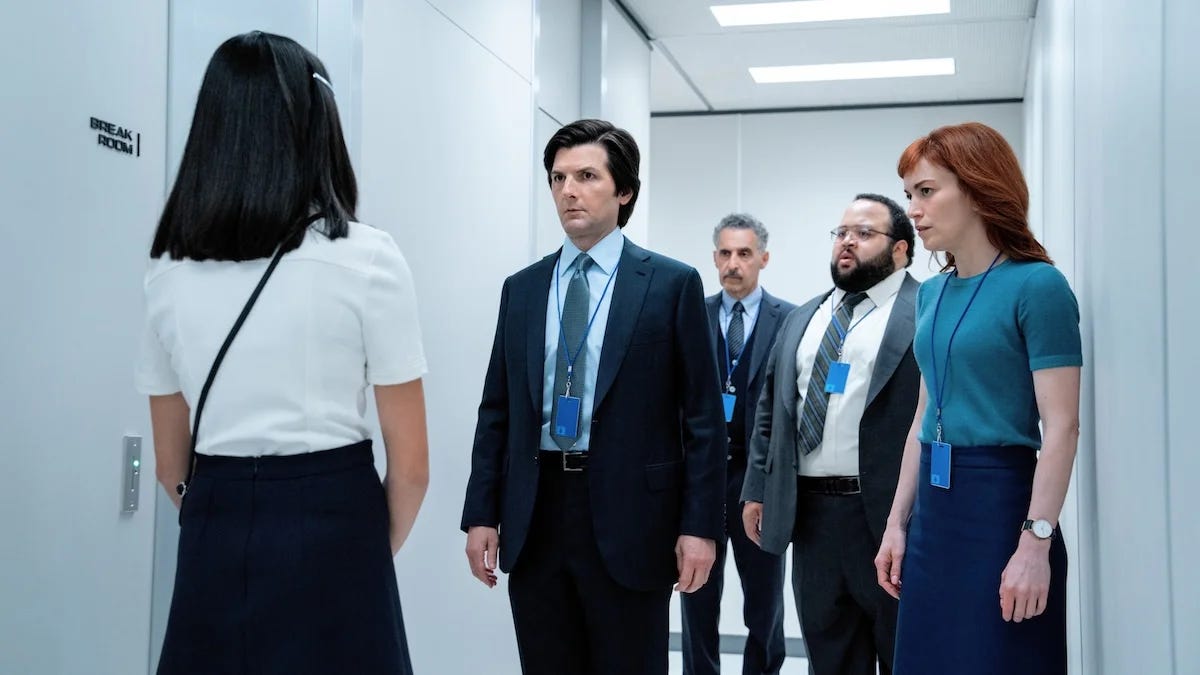
Look at Apple TV+’s current science fiction lineup. Severance follows workers whose memories are surgically divided between their work and personal lives. Silo explores an underground society where questioning the outside world is forbidden. Extrapolations examines climate change through interconnected stories across decades. All three are well-produced, well-acted, and glacially paced. Episodes pass where nothing happens except characters staring meaningfully at each other or walking slowly through corridors.
Then there’s Pluribus, Vince Gilligan’s new series about a woman who wakes up to the world being taken over by an alien hivemind. The concept is pure X-Files: weird phenomenon, government conspiracy, dark humor mixed with existential dread. Gilligan wrote some of the best X-Files episodes, including “Drive” and “Pusher,” stories that established premise, built tension, and delivered satisfying conclusions in 44 minutes. Pluribus takes that same concept and stretches it across an entire season or perhaps more.

The X-Files would have done this in one episode. The Twilight Zone would have done it in 25 minutes. Now it’s eight hours of slow-burn mystery that may or may not pay off, depending on whether Apple renews it and whether Gilligan can stick the landing.
That’s the problem with decompressed storytelling. Everything depends on the ending. When you stretch a concept across multiple episodes or issues, the conclusion has to justify the investment. If it doesn’t, the entire story collapses retroactively. Audiences feel cheated. They spent hours watching characters wander through mysteries that never delivered answers worth the wait.
Lost pioneered this model on TV. The show launched in 2004 with a plane crash on a mysterious island and spent six seasons teasing answers to questions about smoke monsters, polar bears, and the numbers. The finale revealed that most of it didn’t matter, that the mysteries were just mysteries, and that the show was “really about the characters.” Fans revolted. Lost’s cultural impact evaporated overnight because the ending didn’t justify the journey.
Modern streaming shows learned the wrong lessons from Lost. They kept the slow pacing and mystery-box structure but removed the episodic storytelling that made Lost watchable week-to-week. Lost had action, cliffhangers, and self-contained character moments even while building its larger mythology. Severance and Silo don’t. They’re all setup, all atmosphere, all slow-burn tension with minimal payoff until the season finale.
The middle episodes suffer most. When you’re telling a story across eight or ten episodes, episodes three through seven often feel like filler. Characters have conversations that don’t advance the plot. Scenes linger on mundane activities like eating breakfast, walking to work, staring out windows, because the writers think this is “character development.” It’s not. It’s padding. Those scenes would have been cut from episodic television because they don’t serve the story. Now they’re considered prestige storytelling because they feel “realistic.”
Realism isn’t the same as good storytelling. A scene of someone eating an omelet might be realistic, but unless that omelet is poisoned or the conversation during breakfast reveals crucial information, it’s wasting time. Tight storytelling cuts the fat. Decompressed storytelling mistakes fat for substance.
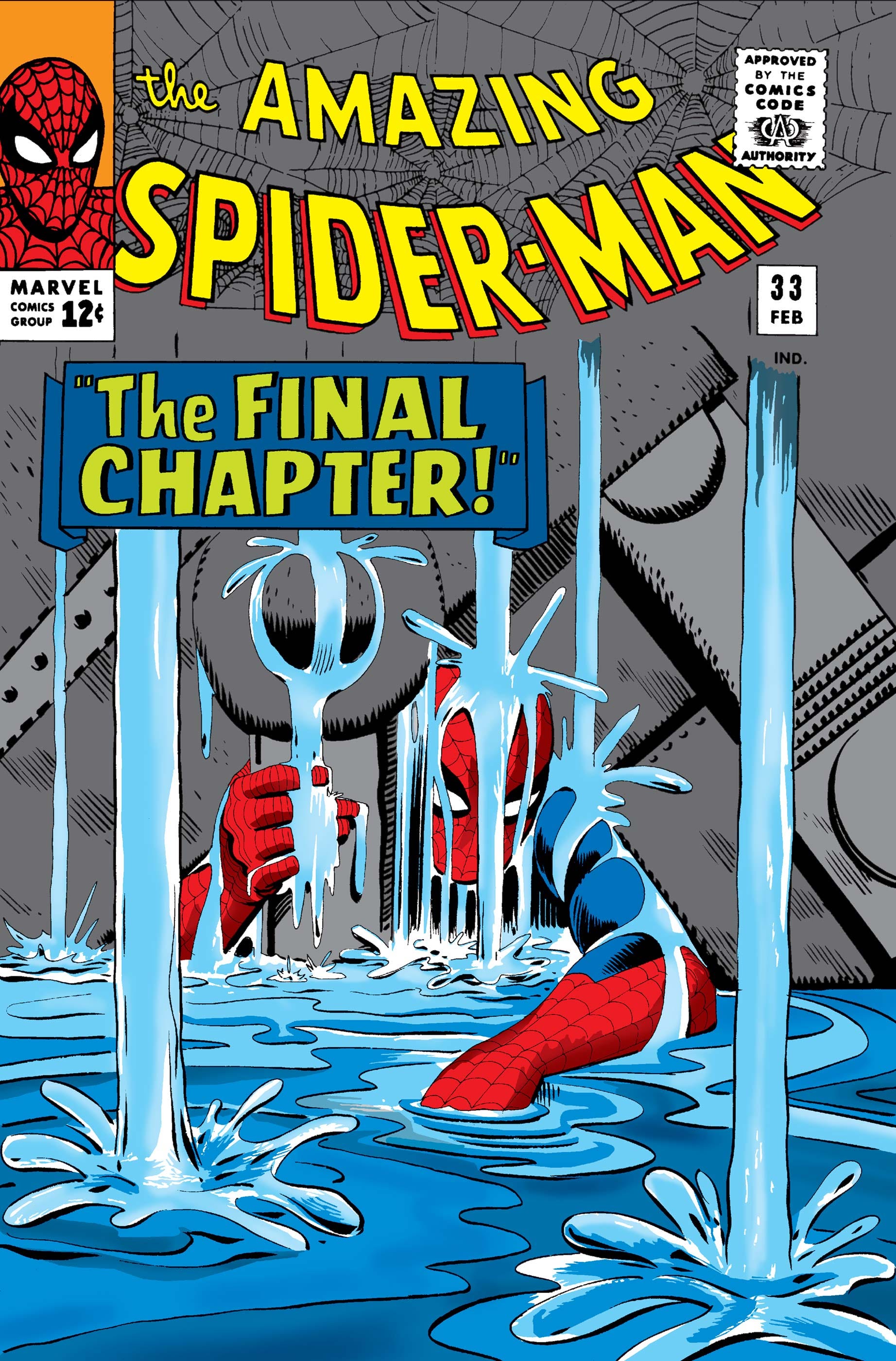
Comics fell into the same trap. For decades, comic books told complete stories in single issues or two-part arcs. Amazing Spider-Man #33, “The Final Chapter,” is one of the greatest superhero stories ever told. Spider-Man is trapped under tons of machinery, using sheer willpower to lift the wreckage and save Aunt May. The entire story happens in 22 pages. Setup, conflict, climax, resolution. It’s perfect.
Modern comics don’t work that way. Most Marvel and DC titles are written in five or six-issue arcs designed to be collected as trade paperbacks. The first issue sets up the conflict. Issues two through four are mostly setup and character moments. Issue five has the climax. Issue six wraps up loose ends. The middle issues have no beginning, middle, or end. They’re just connective tissue between the first and last chapters.
This makes single issues nearly unreadable. You can’t pick up issue three of a modern comic run and understand what’s happening or feel satisfied by the experience. You have to buy the entire arc, which means committing $20-30 to a story that might not pay off. That’s a harder sell than $4 for a complete story, which is why comic sales have been declining for years.
The shift happened because publishers realized they made more money selling collected editions to bookstores than single issues to comic shops. Writers started “writing for the trade,” structuring stories to read better as graphic novels than as monthly installments. The result is comics that feel incomplete month-to-month and television that feels incomplete episode-to-episode.
Streaming accelerated this in television. When Netflix pioneered binge-watching with House of Cards, the assumption was that viewers would watch entire seasons in one sitting. Writers stopped worrying about making individual episodes satisfying because they expected audiences to consume the show as a ten-hour movie. That works if the show is good and the ending delivers. It fails catastrophically when the show gets canceled after one season or the finale disappoints.
How many streaming shows have you started and never finished because the pacing was too slow? How many comics have you dropped after three issues because nothing was happening? Decompressed storytelling demands commitment, and audiences are running out of patience.
The irony is that episodic storytelling is harder to write. Crafting a complete story in 44 minutes or 22 pages requires discipline. Every scene has to serve the plot or character development. There’s no room for filler. Writers have to make choices about what’s essential and what can be cut. That’s difficult. It’s much easier to stretch a thin concept across eight episodes and call it “prestige television.”
But easier isn’t better. Tight storytelling is better. The X-Files, The Twilight Zone, Star Trek: The Next Generation, and others told complete stories every week while building larger character arcs and mythology. You could watch any episode and get a satisfying experience. Modern shows don’t offer that. You have to watch the entire season to get one story, and if that story doesn’t land, you’ve wasted eight hours.
Science fiction is particularly vulnerable to this problem because the genre thrives on high concepts. A good sci-fi premise can support a great episode or a tight two-hour film. Stretching it across a season requires adding subplots, character drama, and filler that dilutes the concept. The mystery becomes more important than the story, and mysteries are only as good as their answers.
New science fiction shows are coming. Amazon is developing a new Stargate series. Paramount is reportedly planning more Star Trek projects after Strange New Worlds and Starfleet Academy. These shows will face the same temptation to decompress their storytelling, to stretch concepts across seasons, to prioritize atmosphere over plot.
They need to resist that temptation. Stargate worked because it told complete stories every week while building a larger mythology. Star Trek: The Next Generation is considered the gold standard because episodes like “The Inner Light,” “Darmok,” and “The Measure of a Man” told profound, complete stories in 44 minutes. Those shows succeeded because they respected the audience’s time and delivered satisfying experiences every week.
The solution is simple: bring back episodic storytelling. Tell complete stories in single episodes while building larger arcs across seasons. Give audiences satisfying experiences every week instead of making them wait eight hours for a conclusion that might not deliver. Cut the filler. Tighten the pacing. Respect the audience’s time.
What do you think? Should modern science fiction return to episodic storytelling, or is decompression here to stay?
If you like great sci-fi, I’m bringing back the sense of wonder and exploration to the genre. The crowdfund is open now, and if you miss what sci-fi used to be, this is the series for you. Back it today.
A relevant reminder to always have each part be a little story in of itself, the oral storytellers of old understood this when they weren't telling a tale that finished in a single sitting.
One need not revert always to status quo, but certainly one must think of what use we are making of the reader's time, as one would a listener.
Great points! Long form storytelling can be done well—for instance, there have been some very good TV shows made from Dickens novels—but there must be actual story going on and there must be a satisfying conclusion.