


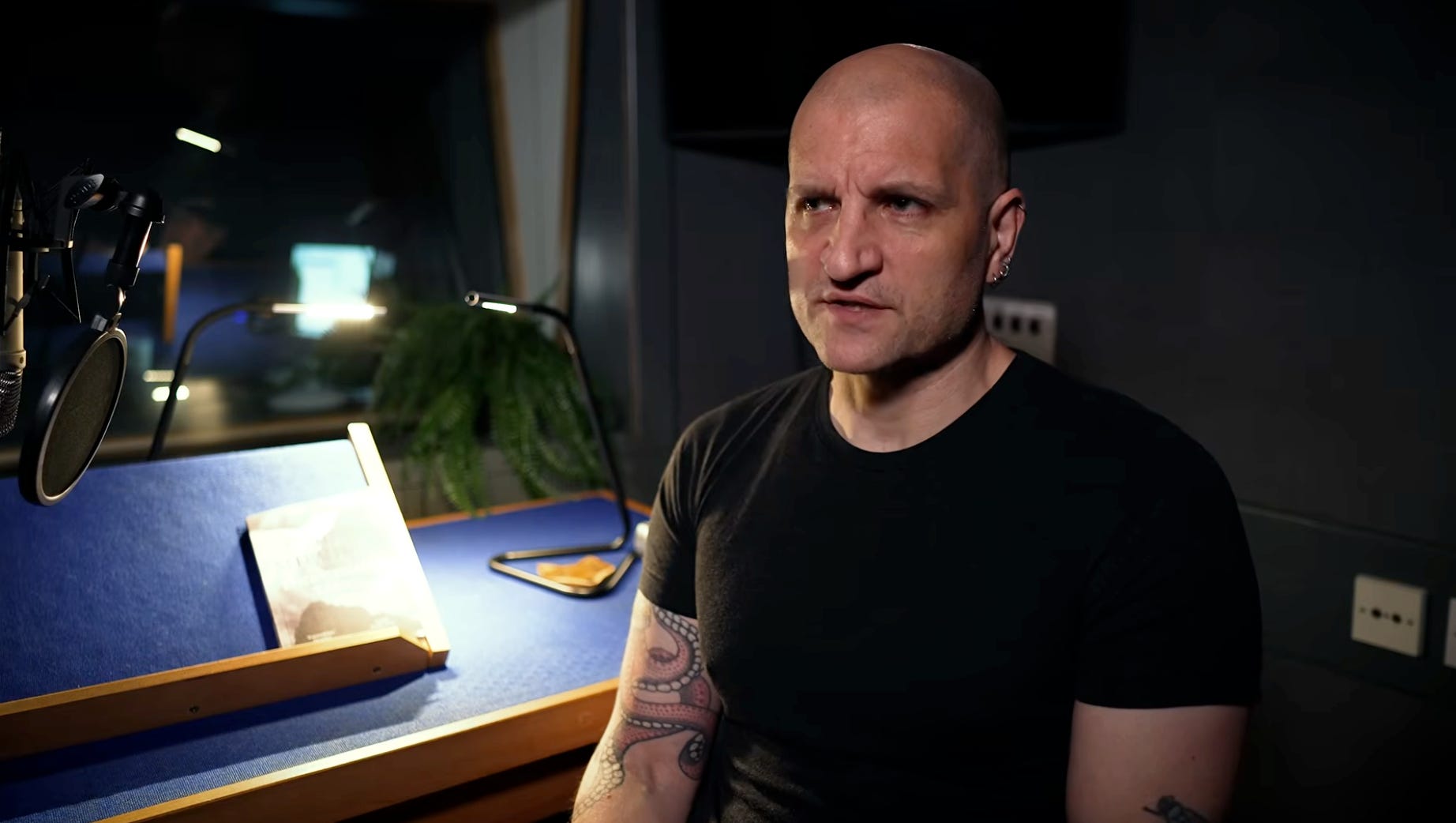
China Miéville, the British author of Perdido Street Station and The City & the City, took a swipe at one of publishing’s favorite euphemisms in a new interview. Asked what to call the kind of books he writes, Miéville said he has always identified as a science fiction writer. He had little patience for the more respectable-sounding alternative.
“Speculative fiction traditionally was the term used by people who were embarrassed to read science fiction. So, it’s a term that some of us within the tradition were a bit sniffy about.”
Miéville has won the Arthur C. Clarke Award three times and shared the 2010 Hugo Award for Best Novel. He holds a PhD in international law from the London School of Economics. By background and reception, he is the kind of genre author the literary establishment has made room for. He still chose the label that establishment spent decades trying to avoid.
“Speculative fiction” has a long history as an escape hatch. Robert Heinlein used the phrase in a 1947 essay to describe stories grounded in plausible extrapolation. The New Wave writers of the 1960s adopted it, and later it became the preferred label for literary authors who wanted science fiction’s tools without its shelf placement. Margaret Atwood spent years insisting The Handmaid’s Tale and Oryx and Crake were speculative fiction and not science fiction, which she associated with rockets and talking squids in outer space. Ursula K. Le Guin called her out in a 2009 Guardian review. Le Guin suggested Atwood wanted to keep her novels out of the genre ghetto. In 2015, Kazuo Ishiguro publicly worried that readers would dismiss The Buried Giant as fantasy, and Le Guin pushed back on him too.
Miéville places himself in Le Guin’s lineage. He described a positive write-up from her as something he carries with him every day. “Le Guin is in my bones. She’s in my blood,” he said.
He also went after literary fiction’s claim to be the default against which genres are measured.
“Literary fiction is itself a genre, and these days that’s a bit of a trite gotcha, but I do think it’s slightly trolling but not really. It’s an important point to bear in mind.”
Miéville said he is “not the cops” about anyone’s reading habits. But he argued that the fantastic can do things realism struggles to do, and that this explains the snobbery aimed at the genre. The realist novels he loves most, including work by Muriel Spark, Patricia Highsmith and Barbara Comyns, contain no ghosts or monsters. “These are realistic novels but they read like fever dreams. They read like nightmares,” he said.
He added that literary snobbery toward the fantastic has “much diminished” since he started publishing. The market explains why. Literary authors have borrowed genre premises for years and collected prizes for them. Cormac McCarthy won the Pulitzer for The Road, a post-apocalyptic survival story. Ishiguro built Never Let Me Go around cloned organ donors. Meanwhile, readers pushed straight genre work up the bestseller lists without waiting for critics to approve. Rebecca Yarros’s Fourth Wing sat at the top of those lists for months.
Miéville also said he feels no shame about coming out of “certain pulp traditions.” He prefers the term weird fiction when talking to fellow enthusiasts, a nod to the Weird Tales lineage of Lovecraft and his contemporaries. The pulps are where science fiction readers were told to be embarrassed in the first place.
Readers who stuck with those pulp traditions for the whole century now have a Clarke Award winner telling the literary world what they already knew.
Should science fiction and fantasy readers push back when prestige authors use “speculative fiction” to distance their work from the genre, or has the term earned a legitimate place for books that straddle both worlds?
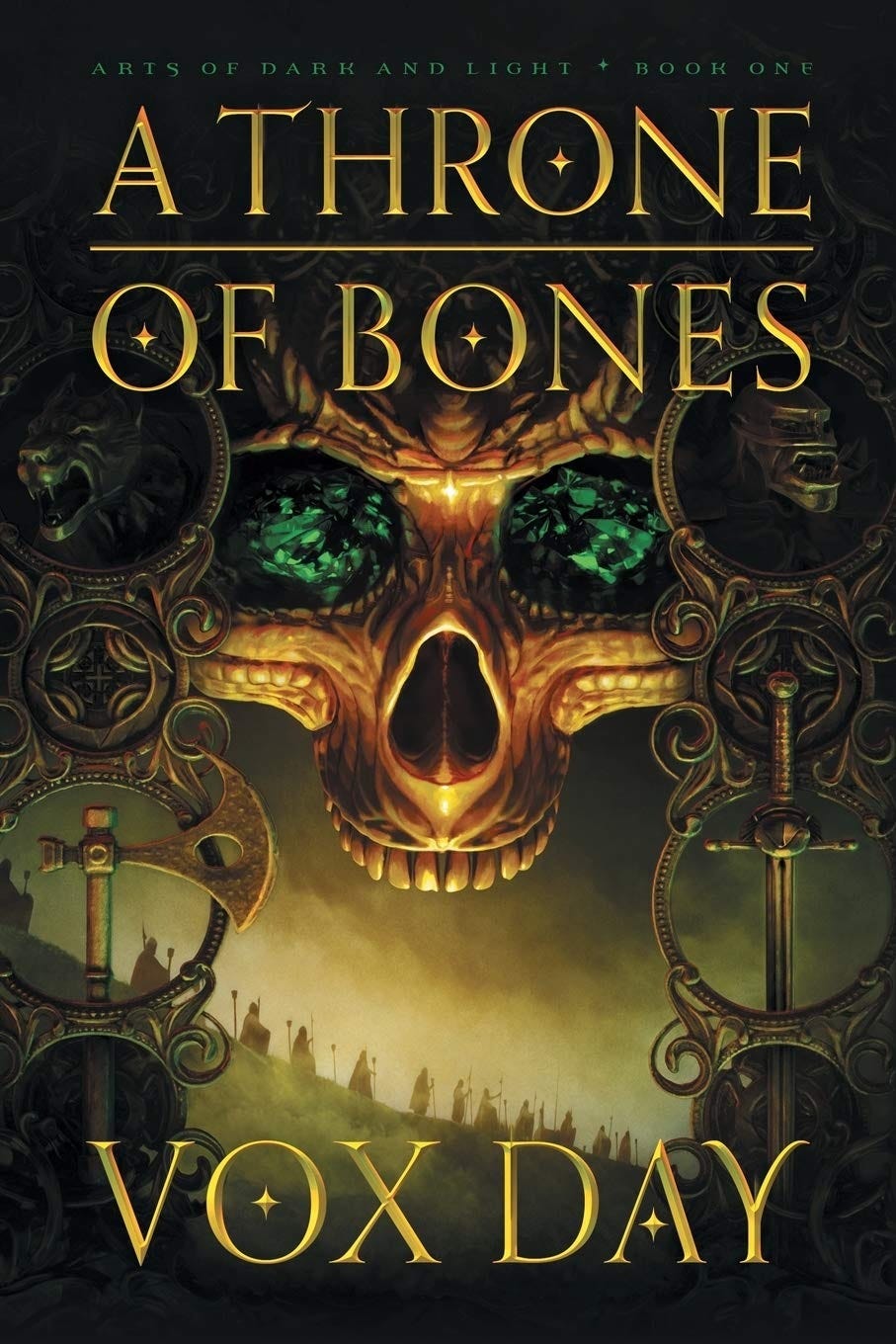
Epic Fantasy hasn’t been this hard-hitting since Tolkien. In a world where humanity is akin to a Roman legion, a great darkness arises. Read A Throne Of Bones today.
A reviewer once said my material is 40% family drama. I was grateful. At least I knew what to say about the work.
Mieville is one of the greatest living novelists. He's up there with Neal Stephenson and John C. Wright. I might even put him at the top these days.
Although I will say that I was astounded when I read Juza Unno's THE MIDNIGHT MAYOR and realized he anticipated UN LUN DUN and THE CITY AND THE CITY by about 80 years.