


Ubisoft just halted trading of its shares and bonds on Euronext and postponed its Q2 fiscal year 2025-26 financial report. When a publicly traded company suspends stock trading and refuses to release scheduled earnings, it means one thing: something is very, very wrong.
The French gaming giant announced the suspension on November 13, 2025, without providing details on when trading would resume or when the delayed financial report would be released. The move comes after years of mounting losses, failed game launches, mass layoffs, and a Tencent bailout that apparently wasn’t enough to stop the bleeding.
This is what a company in crisis looks like. Ubisoft is either preparing to announce catastrophic financial results, undergoing emergency restructuring, or facing bankruptcy. Possibly all three.
The numbers from the previous fiscal year paint a grim picture. Ubisoft reported a €159 million net loss for fiscal year 2024-25, with net bookings dropping 20.5% to approximately €1.85 billion. Revenue fell 17.5% year-over-year. The company posted an €82.6 million operating loss despite strong sales from Assassin’s Creed Shadows. Other major titles like Star Wars Outlaws underperformed badly, and the free-to-play shooter XDefiant was shut down entirely after failing to gain traction.
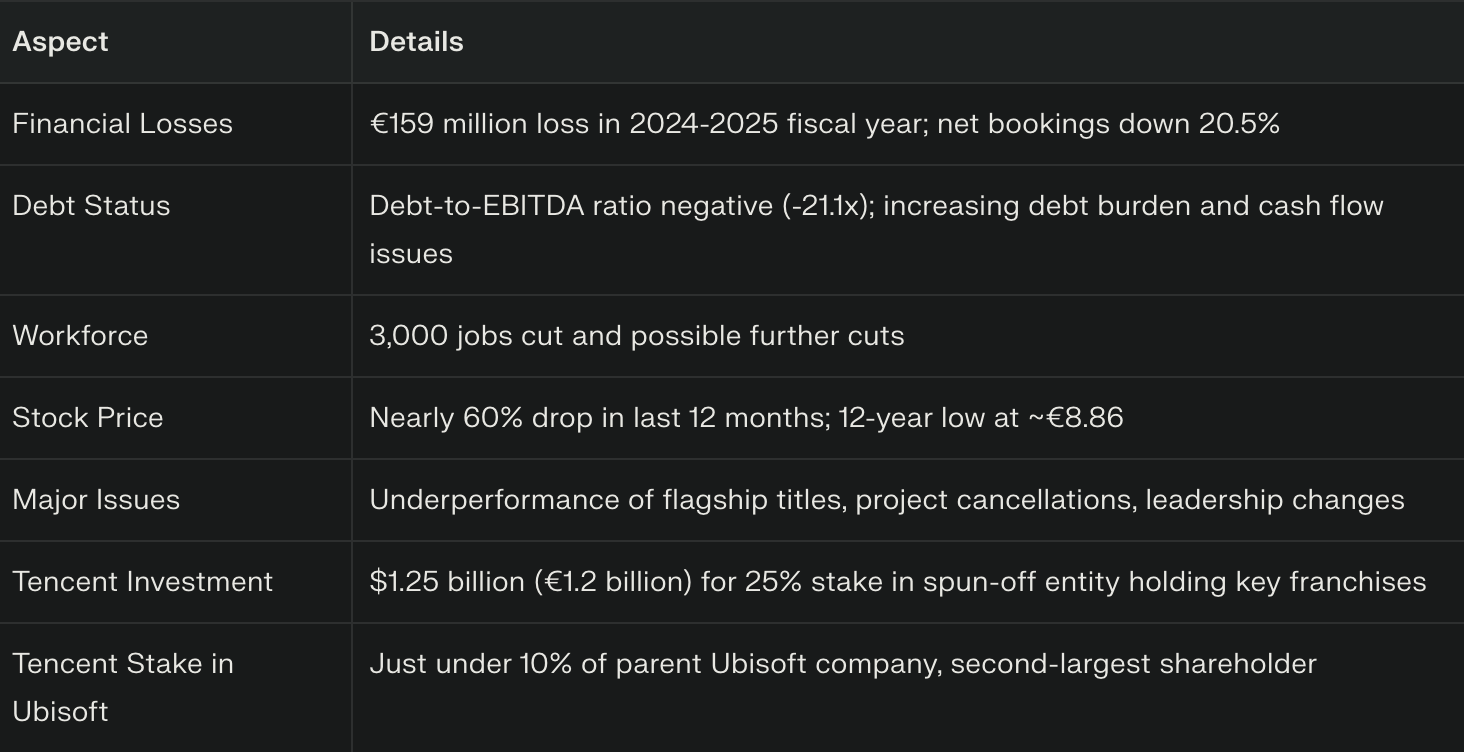
Ubisoft’s debt burden sits at approximately €885 million, down from over €1 billion but still crushing given the company’s declining revenue and negative cash flow. The debt-to-EBITDA ratio reached a disastrous negative level, meaning the company isn’t generating enough earnings to service its debt. That’s a death spiral. Without immediate intervention, Ubisoft faces insolvency.
The company has been cutting costs desperately. Over 3,000 jobs were eliminated in 2024-25, with hints of further layoffs coming. Multiple game projects were canceled. Studios were closed. Leadership shuffled. Nothing worked. The company kept losing money.
In March 2025, Tencent threw Ubisoft a lifeline. The Chinese tech giant invested €1.16 billion for approximately 25% economic interest in a new Ubisoft subsidiary holding the company’s flagship franchises—Assassin’s Creed, Far Cry, and Tom Clancy’s Rainbow Six. The subsidiary was valued at around €4 billion before Tencent’s investment, with Ubisoft retaining control while Tencent received minority protections and consent rights on major asset disposals.
The deal was supposed to stabilize Ubisoft financially and allow the company to refocus on its most valuable IP. It didn’t work. Eight months later, Ubisoft is suspending stock trading and delaying financial reports. That means the Tencent money is gone, burned through on failed projects and operational costs, and the company is back in crisis mode.
Tencent now holds just under 10% of Ubisoft’s parent company, making it the second-largest shareholder behind the Guillemot family. The investment made Tencent a major stakeholder in Ubisoft’s future, but it also exposed Tencent to Ubisoft’s ongoing collapse. If Ubisoft goes under, Tencent loses over a billion euros.
The stock suspension suggests Ubisoft is preparing to announce results so bad that regulators required a trading halt to prevent panic selling. Or the company is negotiating emergency financing and doesn’t want the stock price to crater before the deal closes. Or Ubisoft is filing for bankruptcy protection and needs time to prepare the paperwork.
None of those scenarios are good.
Ubisoft’s problems didn’t start yesterday. The company has been in decline for years, making catastrophic decisions that destroyed shareholder value and alienated fans. During the pandemic boom from 2018 to 2021, Ubisoft nearly doubled its workforce from 11,700 to 20,300 employees. The company expanded aggressively, assuming the temporary surge in gaming revenue would last forever. It didn’t. When the pandemic ended and consumers returned to normal life, Ubisoft was left with a bloated workforce it couldn’t afford.
Management chased every trend. NFTs and blockchain games. Mobile gaming. Live-service shooters. Battle royales—reportedly 12 different battle royale projects in development simultaneously by early 2022, despite the failure of Hyper Scape. Every initiative failed. The NFT push generated massive backlash. The mobile games flopped. The live-service projects either canceled or launched to indifference. Ubisoft wasted hundreds of millions chasing fads instead of making good games.
The company’s creative leadership collapsed in 2020 when multiple executives were accused of sexual harassment and inappropriate behavior. Serge Hascoët, who had overseen Ubisoft’s creative output for 20 years, was forced out. Hascoët was responsible for the successful open-world formula that defined Assassin’s Creed, Far Cry, and Watch Dogs. His departure left a creative vacuum that Ubisoft never filled.
The company replaced centralized creative oversight with a “Global Creative Office” split into multiple divisions. The new structure was supposed to be more responsive and less hierarchical. Instead, it created chaos. Projects lost clear direction. Development cycles stretched for years. Games launched in poor condition or were canceled after wasting millions.
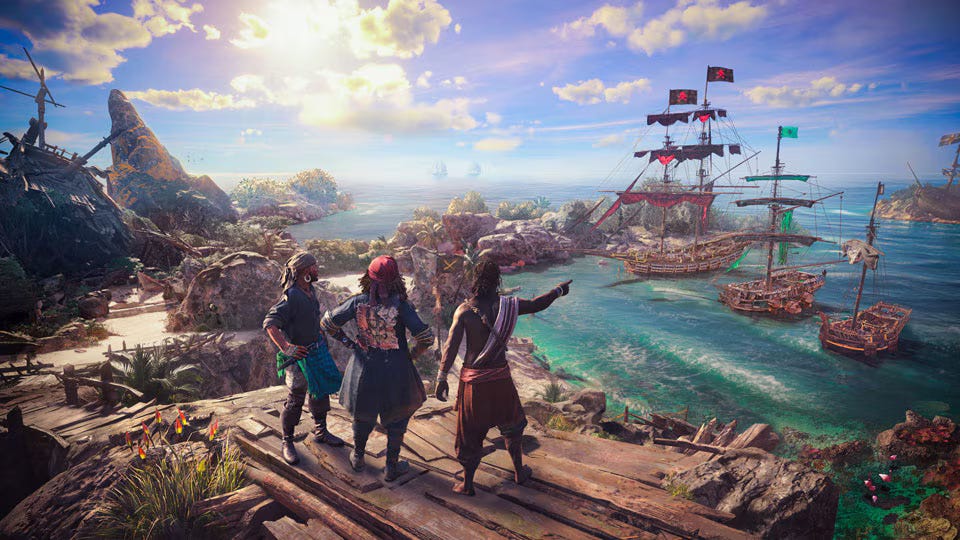
Skull and Bones spent 11 years in development and launched to terrible reviews and low sales. Beyond Good and Evil 2 has been in various stages of development for over 15 years with no release date in sight. The Division Heartland, a free-to-play extraction shooter, was canceled after years of work. A Far Cry extraction shooter was in development for two years before being scrapped and relaunched with a new direction in March 2025.
Ubisoft ignored its own IP library. Instead of systematically developing franchises fans actually wanted, the company spent hundreds of millions on licensed games like Star Wars: Outlaws and Avatar: Frontiers of Pandora. Both underperformed. Outlaws was supposed to be a major hit. It wasn’t. Avatar launched to mediocre reviews and weak sales despite the film’s box office success.
The company’s relationship with fans deteriorated. Ubisoft pushed aggressive monetization in single-player games, adding microtransactions and time-savers that felt exploitative. The company embraced NFTs despite overwhelming negative feedback. Leadership dismissed criticism as coming from a vocal minority. They were wrong. Sales collapsed. The Ubisoft brand became toxic.
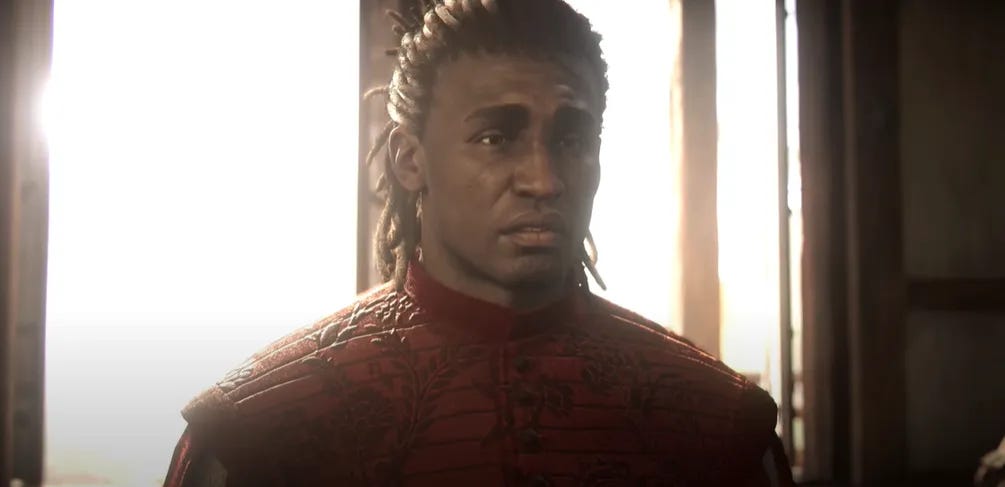
Assassin’s Creed Shadows, the company’s biggest release of 2025, faced backlash over historical inaccuracies and the decision to make one of the two protagonists a Black samurai in feudal Japan. The controversy generated negative press for months. Ubisoft delayed the game twice to address concerns and improve quality. The game eventually launched and sold well, but not well enough to offset losses from other projects.
The stock price tells the story. Ubisoft shares hit a 12-year low in 2024, losing nearly 60% of their value over 12 months. The Tencent investment briefly stabilized the price, but it resumed falling as investors realized the bailout wasn’t enough. Now trading is suspended entirely, and when it resumes, the price will likely crater.
Suspending stock trading is a last resort. Companies only do it when they’re about to announce news so bad that normal market mechanisms can’t handle it. Ubisoft is either preparing to report losses far worse than expected, announcing a bankruptcy filing, or revealing a fire-sale acquisition by Tencent or another buyer.
What’s particularly interesting is the CEO sent a memo to employees saying they halted trading to “limit unnecessary speculation.” In reality, it did the opposite.
The delayed financial report is equally ominous. Public companies are required to report earnings on schedule. Missing that deadline without explanation suggests the numbers are so bad that management needs extra time to figure out how to present them, or the company is negotiating emergency financing and can’t release results until the deal is finalized.
Ubisoft’s collapse is a case study in corporate mismanagement. The company had everything. Management squandered it all chasing trends, ignoring fans, and making terrible creative decisions. The Guillemot family maintained control through a dual-class share structure that gave them voting power disproportionate to their ownership stake. That insulated them from accountability and allowed them to drive the company into the ground without interference.
Tencent’s €1.16 billion investment was supposed to save Ubisoft. It bought the company eight months. Now the money is gone, and Ubisoft is back where it started. This time, they appear to be out of options.
The question now is whether Ubisoft survives at all, or whether this is the beginning of the end for one of gaming’s oldest publishers.
What do you think? Can Ubisoft recover, or is this the final chapter for the Assassin’s Creed publisher?
I’m actually hoping Ubisoft goes bankrupt, at this rate.
No shed tears for the undead.