


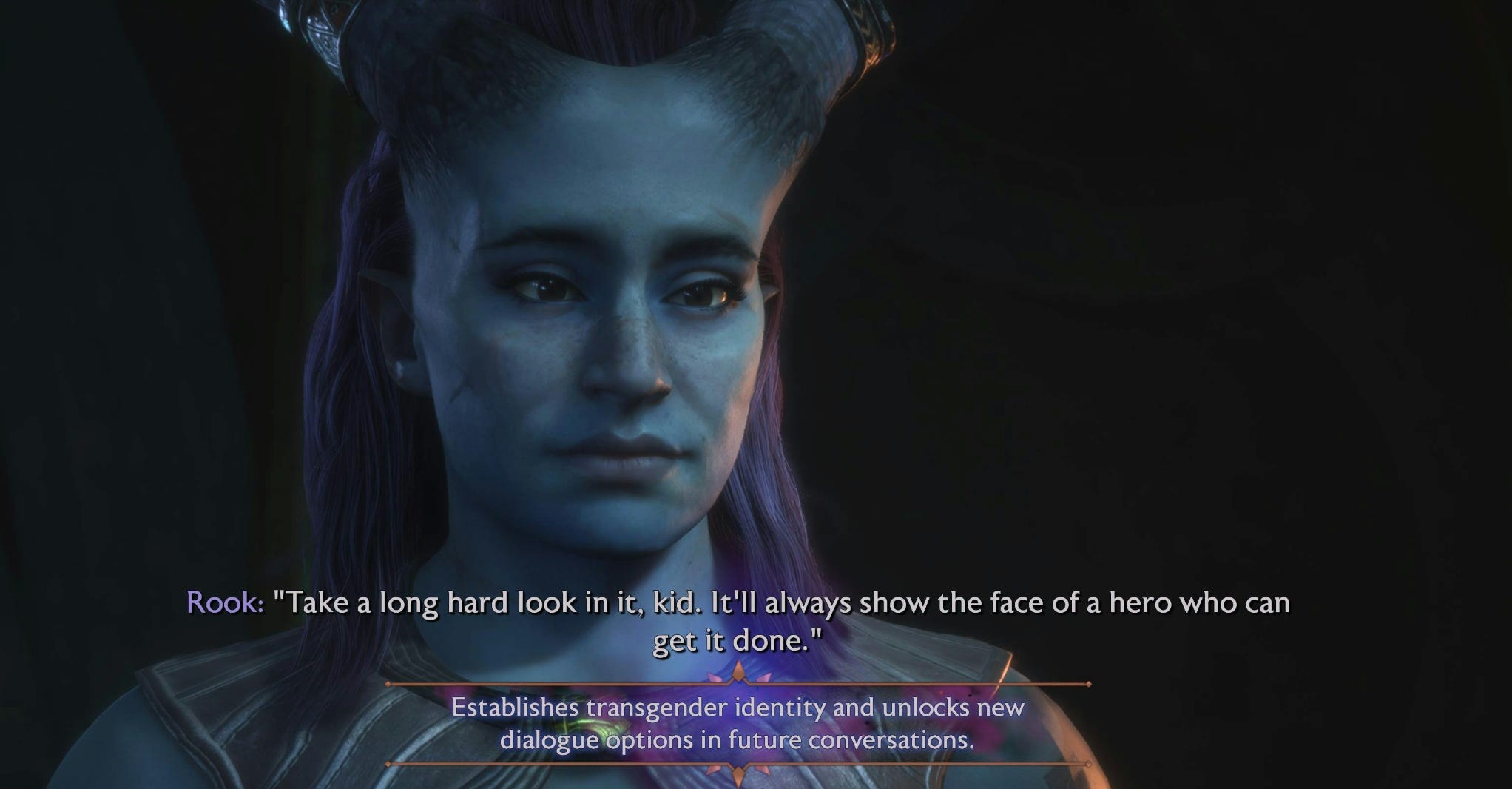
BioWare is gone. Electronic Arts announced the studio’s closure on October 21, 2026, ending more than thirty years of work that produced Knights of the Old Republic, the Mass Effect trilogy, and the Dragon Age series. Early development on the next Mass Effect project has been canceled. Roughly fifty positions at the Edmonton studio are part of a broader round of roughly four hundred cuts as EA, now private after a $55 billion acquisition, narrows its slate. The official statements speak of hard looks at the business, alignment with long-term growth, and support for affected staff. They do not speak of the pattern that hollowed the studio’s distinctive strength long before the final accounting.
That strength was never primarily technical. Early BioWare games built worlds in which romance was ordered toward the complementarity of male and female. In Knights of the Old Republic, the available pairings were heterosexual. The system treated such bonds as having significant weight within a larger story of galactic war and the Force. Mass Effect began in the same key: Male Shepard could pursue Ashley; female Shepard could pursue Kaidan. Liara, an Asari, was available to either, but the species’ mono-gendered nature did not erase the underlying human default or the sense that cross-species entanglement was unusual within the setting.
The later trajectory did not preserve that structure while adding options. Instead, it replaced the structure. By Mass Effect 3, exclusive same-sex paths (Steve Cortez, Samantha Traynor) appeared alongside expanded configurations. Subsequent titles treated sexual variety as a just another feature. As such, relationships became lower-stakes and more interchangeable, viewed content rather than anything more meaningful and purposeful. The writing priorities also shifted accordingly. Stories that once subordinated personal attachment to larger duties and established orders increasingly elevated personal sexual expression.
The common reply is the counterfactual: if the classical structure had simply included one same-sex pairing, would the objection remain? The fact of the matter is, the classical structure was classical because it rested on the given order of male and female complementarity. That order is not an arbitrary cultural preference that can be swapped without consequence.
Heterosexuality, specifically monogamous, is the pattern by which the thing itself is defined. Insert a same-sex pairing and you have not kept the structure. Instead, you have denied the nature the structure presupposed based in how God ordered the universe from the very beginning. Once sexual configurations are treated as interchangeable options, the true account of what men and women are for has already been set aside. The later games Bioware would make displayed that fruit: romance thinned by the demand to accommodate every arrangement under the sun.
Industry accounts of the decline correctly note other pressures such as EA’s live-service experiments, development chaos around Anthem and Dragon Age: The Veilguard, talent departures, and missed commercial targets. While those factors mattered, they do not erase the prior and concurrent change in the studio’s account of human nature. A studio that treats the created order of the sexes as optional will, over time, produce work that also feels optional in its stakes and weight. The commercial and critical results have long since followed. Ad while
BioWare’s closure is the end of one institutional story, the pattern it abandoned is older than the studio and will outlast the accounting that closed it.
The games that remain are still available. They record, in their early form, what is possible when romance is ordered toward something other than the self’s immediate sexual preferences.
