


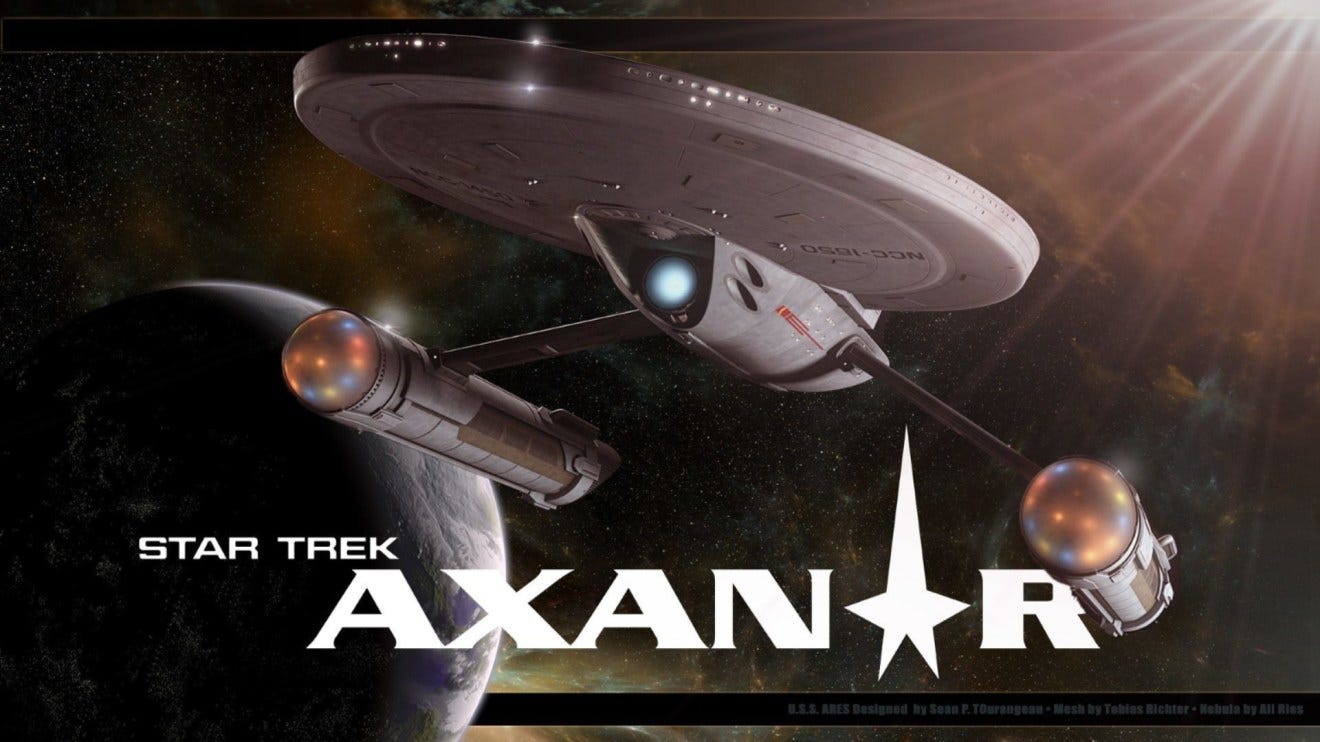
When Alec Peters released Prelude to Axanar in 2014, the 21-minute documentary-style short film did something unprecedented in the fan film community. It didn’t just look professional, it looked too professional. With Star Trek alumni like Richard Hatch, Tony Todd, and Gary Graham delivering performances that rivaled official productions, and visual effects that put some network television to shame, the project raised over $1 million through crowdfunding campaigns. Fans were ecstatic. Paramount and CBS were not.
What followed was a legal battle that would reshape the entire landscape of Star Trek fan productions, create guidelines that many consider draconian, and yet somehow, a decade later, Axanar continues to persist.
The Perfect Storm
The timing of Axanar’s rise couldn’t have been more combustible. In 2014, there was no official Star Trek on television. The franchise had been dormant since Enterprise ended in 2005, leaving a vacuum that fan productions eagerly filled. Star Trek Continues, Star Trek: New Voyages, and others were producing episodes that captured the spirit of the original series, and fans were grateful for any new Trek content.
Axanar promised something different: a feature-length film exploring the Four Years War between the Federation and the Klingon Empire, specifically the Battle of Axanar referenced in the original series episode “Whom Gods Destroy.” The documentary format of Prelude to Axanar framed the story as a historical retrospective, with “interviews” from key figures discussing the conflict. It was innovative, compelling, and demonstrated what passionate fans with resources could accomplish.
Then came the announcement of Star Trek: Discovery.
CBS revealed their new series would be set roughly ten years before the original series, the same era Axanar was exploring. Discovery would also focus on Federation-Klingon conflict. The overlap was impossible to ignore, and in December 2015, Paramount and CBS filed a copyright infringement lawsuit against Axanar Productions and Alec Peters.
The problem was Axanar was too good. After raising over $1.2M and having built out a studio and sets, including a full size bridge and transporter room, Axanar was sued on Dec. 30, 2015, ostensibly for “copyright infringement”. But the then General Counsel of CBS was blunt in their first face to face meeting: Axanar was simply too good and looked like the studio itself produced it.
Later, when Star Trek Discovery was finally released, it was clear where the inspiration for the war with the Klingons came from. Discovery not only was set in the same time frame as “Axanar” but the hero ship, the USS Shenzou, looked eerily similar to “Axanar’s USS Ares”.
The Lawsuit That Changed Everything
The legal battle was extensive and contentious. Paramount and CBS accused Peters of copyright infringement and engaged in an active smear campaign against Peters.
The lawsuit sent shockwaves through the fan film community. Productions like Star Trek Continues found themselves in limbo, uncertain whether they would be next. The legal costs mounted, and the future of fan-made Trek content looked grim.
Peters however, was able to sign on Winstron & Strawn, one of the top IP litigation firms in the USA to represent them pro-bono. The litigation lasted the entirety of 2016. Rather than celebrating the 50th anniversary of Star Trek CBS spent the year suing their biggest fans. And then in January 2017, the parties reached a settlement. Axanar could continue, but under severe restrictions. The full feature film was reduced to two 15-minute episodes. No further crowdfunding would be allowed. And most devastatingly for the broader community, CBS and Paramount released their “Fan Film Guidelines”—a set of rules that limited fan productions to 15 minutes (or two 15-minute segments), prohibited use of professional actors who had appeared in official Trek productions, capped budgets at $50,000, and banned any commercial distribution or crowdfunding beyond that limit.
Star Trek New Voyages turned their sets into a museum at the outset of the lawsuit, having reached a licensing deal with CBS. Star Trek Continues wrapped up its run. The era of ambitious, feature-length fan films appeared to be over.
Discovery’s Continuity Problem
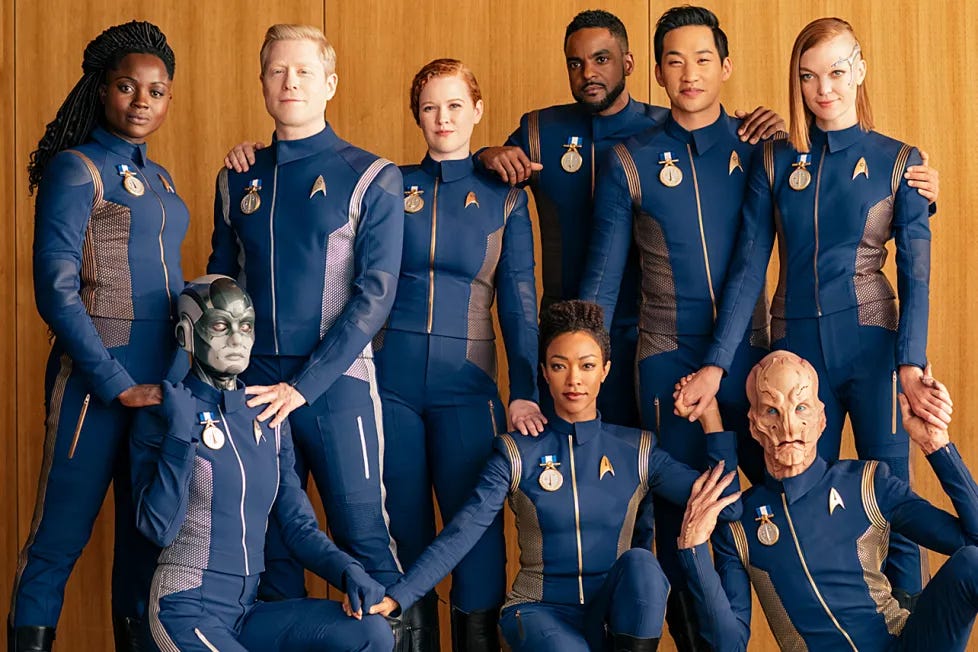
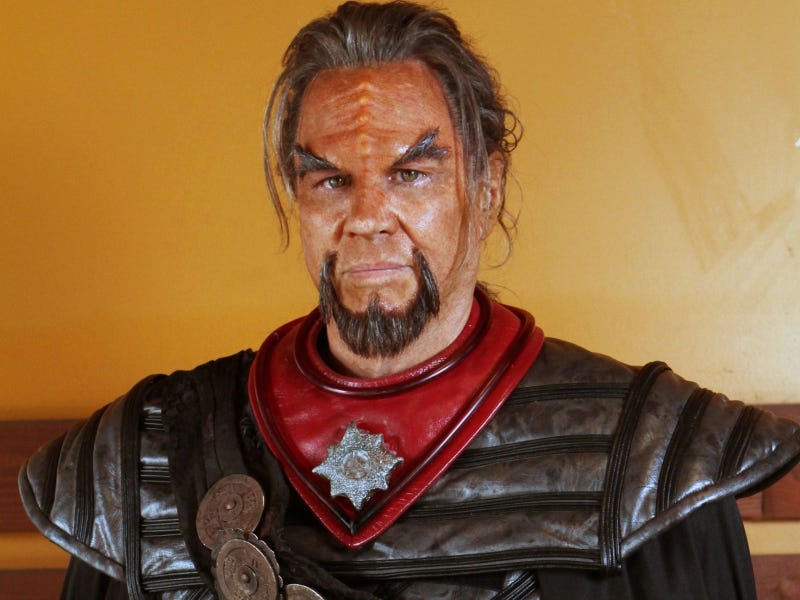
When Star Trek: Discovery finally premiered in 2017, many fans found themselves disappointed. The visual aesthetic bore little resemblance to the era it was supposedly set in. The Klingons were redesigned beyond recognition. The technology looked more advanced than what appeared a decade later in the original series. The tone was darker, more serialized, and for many longtime fans, it simply didn’t feel like Star Trek.
The irony wasn’t lost on the community. Paramount had shut down a fan production exploring the Federation-Klingon conflict, only to produce their own version that many felt betrayed the franchise’s established continuity and optimistic spirit. Prelude to Axanar, with its reverence for Trek lore and attention to continuity, had demonstrated what fans wanted. Discovery demonstrated what the studio thought they wanted.
The contrast became a rallying point. Here was a fan production that understood Star Trek’s DNA being suppressed while the official product seemed to abandon those very principles.
Against All Odds
What makes the Axanar story remarkable isn’t just the legal battle, it’s what happened after. Lesser projects would have collapsed under the weight of legal fees, restrictions, and years of delays. Peters, however, kept going.
“I’m Greek and that means I’m stubborn. And I grew up in New York and we don’t like getting pushed around. There was no way I was going to let them kill Axanar,” Peters told Fandom Pulse.
The production adapted to its constraints. Unable to crowdfund, Peters found other ways to continue. The full feature was cut down to fit into the documentary series “Prelude to Axanar” started. The scope narrowed, but the vision remained. Peters moved the Studio from LA to Atlanta to save on costs, he used his retirement savings to keep the project going.
Peters faced additional delays along the way. After a director was fired, he filed a fraudlent copyright on the Axanar script, forcing Peters to sue him. Covid hit in 2020, shutting down film making world wide for over a year. CBS and Paramount sent letters alleging violations of the 2017 settlement. Yet through it all, production continued.
The cast remained committed. Richard Hatch who passed away in 2017, had recorded extra footage as the Klingon Kharn grounding the next two episodes. Gary Graham, who had reprised his role as the Vulcan Ambassador Soval, shot his scenes before passing in 2024. JG Hertzler returned to his role as Admiral Travis. Peters added over a dozen cats members, including well known actors who signed on because they believed in the project. The performances in Prelude demonstrated that this wasn’t just fan service—it was legitimate science fiction storytelling.
A New Hope
The January 2026 update from Axanar Productions brought unexpected optimism. Peters announced that episode four had completed its final sound mix at Soul Seven Studios in Los Angeles. More importantly, he revealed that Axanar Productions was seeking conversations with Skydance Media, which recently acquired Paramount.
This development could be transformative. Skydance’s leadership has signaled a different approach to fan engagement than the previous CBS regime. With Paramount’s current Trek offerings facing poor reception, there may be recognition that fan productions aren’t competition but rather evidence of enduring passion for the franchise.
Peters expressed hope that Skydance would be “positively disposed towards fan films in general,” noting they “seem to be very interested in positive fan engagement, which of course has been so lacking over the last 20 years under the regime of CBS.”
The update promised episode four within 60 days, with episode five coming this summer. Together with Prelude to Axanar, this would create a trilogy: Prelude to Axanar, The Gathering Storm, and Crucible.
What Axanar Represents
The Axanar saga transcends one fan film. It represents the tension between corporate control and fan creativity, between protecting intellectual property and nurturing the community that keeps a franchise alive during dormant periods.
When official Star Trek was absent, fans filled the void. They didn’t do it for profit—they did it because they loved the universe Gene Roddenberry created and wanted to explore it further. Productions like Star Trek Continues gave us more adventures with Kirk and Spock. Star Trek: New Voyages brought back original series writers. These weren’t attempts to replace official Trek—they were love letters to it.
Axanar’s ambition made it a target, but its persistence makes it a symbol. While Paramount produced Discovery, a show that many fans feel abandoned Trek’s core principles in favor of darker, more cynical storytelling, Axanar continued working to deliver something that honored the franchise’s legacy.
The documentary format of Axanar isn’t just stylistically interesting—it’s thematically appropriate. Star Trek has always been about looking back at humanity’s growth, about learning from history to build a better future. Axanar frames the Four Years War as a pivotal moment in Federation history, examining how conflict shapes civilizations and how we choose to respond to existential threats.
Episode 4 will be coming out in the near months and we will be covering it here on Fandom Pulse!
What do you think? Will Skydance’s new leadership finally allow fan productions to flourish alongside official Trek content?
For a great alternative to mainstream publishing, with sci-fi spy thriller action, read The Stars Entwined on Amazon!

NEXT: Alex Kurtzman Shares Update On When ‘Star Trek: Starfleet Academy’ Season 2 Will Release
Axanar is the sole bit of 'new' Star Trek I'm interested in, essentially the death rattle of the franchise.
Admittedly, the original video felt a bit like BSG due to its war setting, but it was still 100% actual Star Trek at heart.
Plus, the Ares is a fantastic-looking ship!
Star Trek Continues is some of the best Trek out there imho.