


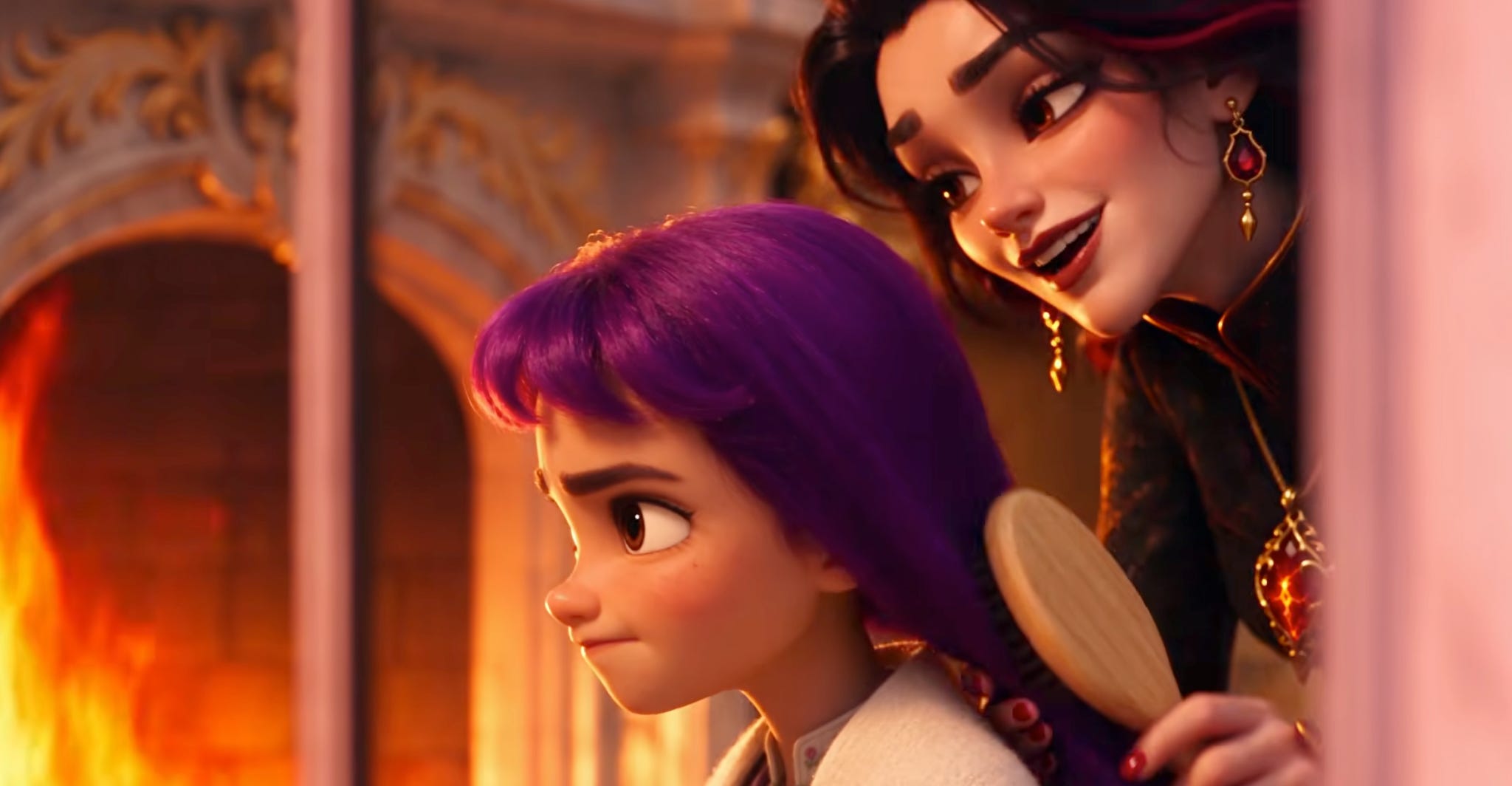
The weekend Disney’s Hexed opened to an estimated $34 million over five days, a former Disney software engineer released a free animated musical on X, YouTube and his own site. Josh Daws posted Episode 5 of The Continuing Adventures of Mary Sue on November 28, titled “Mary Sue Doesn’t Need Rescuing.” It runs about eight minutes, includes a villain song, and was made with AI tools including Seedance 2.5. Hexed cost a reported $200 million and sits third behind The Hunger Games: Sunrise on the Reaping and Focker-in-Law.
The box office numbers frame the release. TheWrap estimates Hexed at $34 million for the five-day Thanksgiving stretch, behind Focker-in-Law at about $40 million and Sunrise on the Reaping at $83.5 million. The same report says the holiday weekend as a whole is on pace for about $224 million, well below last year’s $290 million. Yahoo’s reporting says Hexed is doing only slightly better than Wish, which made $31.6 million over the same five days in 2023. Walt Disney Animation’s 65th feature was tracking for $50 million to $70 million over five days as recently as November 25. Disney’s last three original animated films at Thanksgiving were Encanto, Strange World and Wish, and Hexed has now joined that list.
Daws knows the studio from inside. He spent about 12.5 years at Disney as a software engineer, building Disney blogs, ShopDisney and ESPN Fantasy Sports. He is not an animator. Hollywood in Toto describes him as a former Disney software engineer, and he calls himself “Ex-Disney.” Disney laid him off in April as part of the company’s restructuring of roughly 1,000 jobs, and he answered questions about his time there in an AMA that drew wide attention. He now works at Blaze Media.
Mary Sue started as a reaction to Disney’s trailer. Daws told the WDW Pro Show that Hexed’s trailer looked to him like another version of the same girlboss character. He posted a 15-second test on June 19. A commenter asked if her name was Mary Sue, and he kept it. The heroine is sweet, capable and sure she already knows everything. The official logline reads: “Mary Sue is brave, kind, and sure she already knows everything. Each episode, one of her beliefs runs into reality, and reality doesn’t budge.” Daws writes her as likable on purpose. The comedy comes from reality, not from rage.
Each episode takes a belief and tests it. Episode 1 is “Mary Sue Doesn’t Need Training.” The second episode, “Mary Sue Doesn’t Need a Man to Protect Her,” was the breakout. Hollywood in Toto reported that the 90-second clip took off on X, generating nearly half a million views in just days. Episode 3 is “Mary Sue Doesn’t Want Kids,” and Episode 4, “Mary Sue Thinks the Villain Is Misunderstood,” runs about ten minutes. Episode 5 sends her off in a dragon’s grip to a sorceress’s castle in the clouds, sure of one thing: she doesn’t need rescuing. Daws directed it and wrote it with his brother Jeremiah. CapCut produced it, and Form Films handled sound design, orchestration and mix. Reprise Pictures, Daws’s studio, makes the series.
Daws explained why he made the series in the language of the story. “She reaches the end of the hero’s journey without shedding a single one of her false beliefs because those beliefs are protected by plot armor.” That line works because Mary Sue is not a punching bag. She is the character Hollywood has built for a decade, and the series lets the plot catch up with her.
Daws has spoken about the AI nature of the work and the hate he receives over it. In a post about a Mary Sue blooper reel, he wrote: “The AI-haters think this whole reel is fake bloopers generated for a blooper reel. I generated two fake bloopers for this reel. The first take of the wizard trying to say Seraphina and the last take to hit the joke one last time at the end. Everything else was a failed generation. I suspect it’s causing them some cognitive dissonance. They firmly believe AI is an easy button.” Directing an AI film, he says, is a lot like directing actors and working with a cinematographer. Failed generations don’t ship. The reel shows the discarded takes, and there are many of them. A company that cut 1,000 jobs this year and leans into AI as strategy is a harder target for people who call the tools lazy.
After Episode 5, Daws tied the series to what Disney has released. He wrote: “Strange World. Wish. Now Hexed. Three Thanksgivings in a row, Disney tanked serving up the same tired modern slop instead of the stories we actually loved them for. We can complain about it, or we can make them ourselves.” The record backs the first half. Strange World, Wish and Hexed are all originals that opened below their forecasts, and the box office reports use the word “struggles” for this one. The second half has a demonstration attached. Free episodes on X, YouTube and marysueadventures.com have drawn the audience Daws needed to win a CapCut commission.
Others in the audience noticed. Wikipedia co-founder Larry Sanger wrote: “This is basically what a better Disney would be like, without the wokeness, and showcases what really carefully-made AI can achieve.” Pulp Fiction co-writer Roger Avary said the series “keeps getting better and better with each episode… already better than most studio VFX.” Avary, who publishes episodes on his Pulp Time site, works in the same industry Daws left.
Daws left Disney without a studio behind him and without a budget, and he shipped five episodes in five months. Disney spent more than $200 million on a film that is running third. Which one is Hollywood watching?