


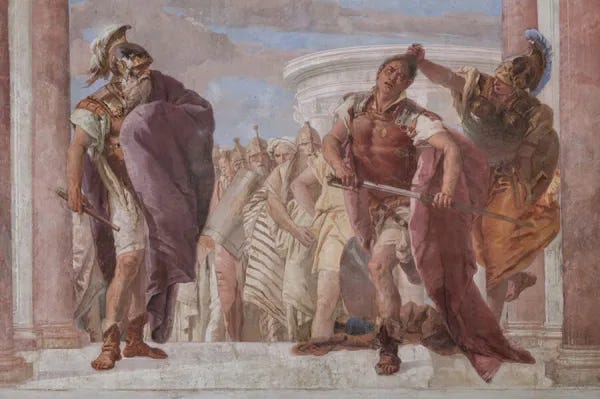
The Great Books will change your life. And the Iliad is the FIRST great book.
Here are 10 LESSONS from the Iliad that will change your life.
10. The Iliad is at the heart of Western civilization
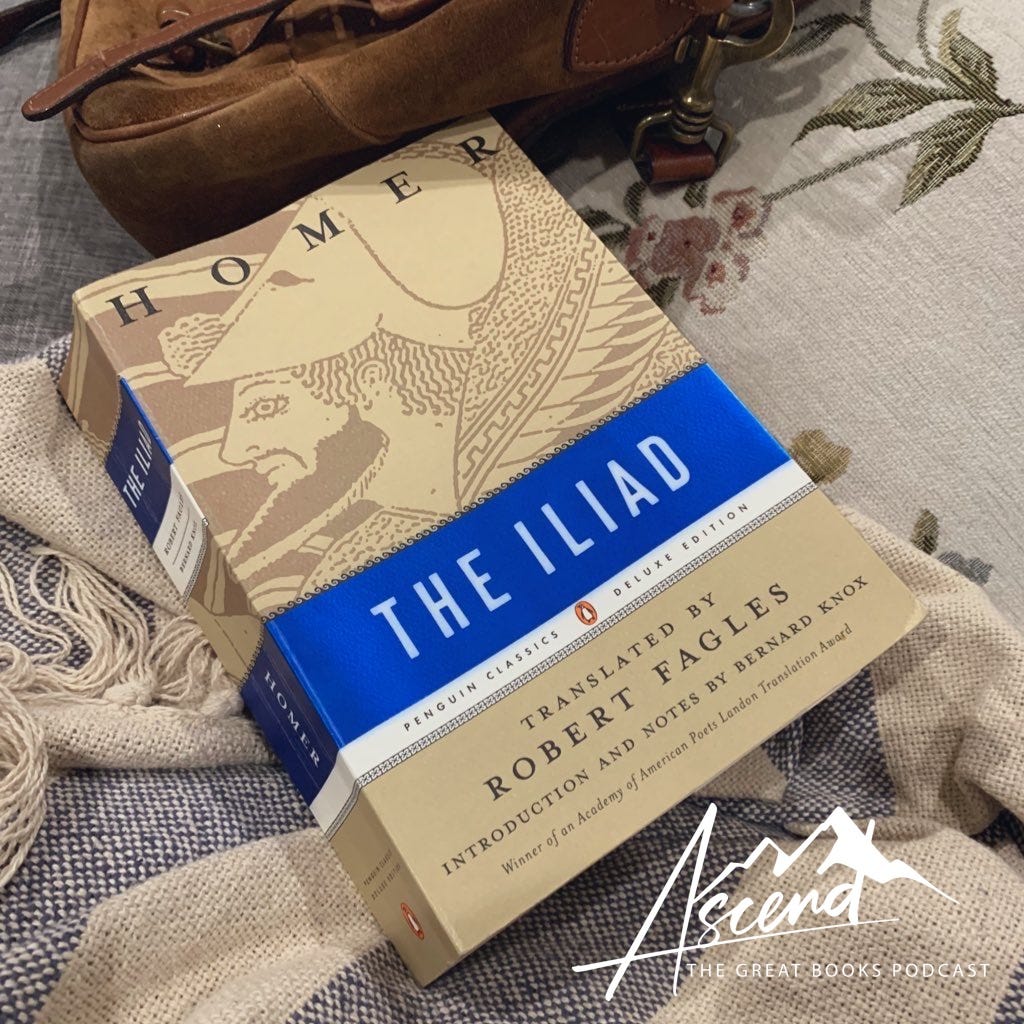
The storytelling, motifs, characters, virtues, etc., resonate within us.
9. Rome is the Final Revenge of Troy
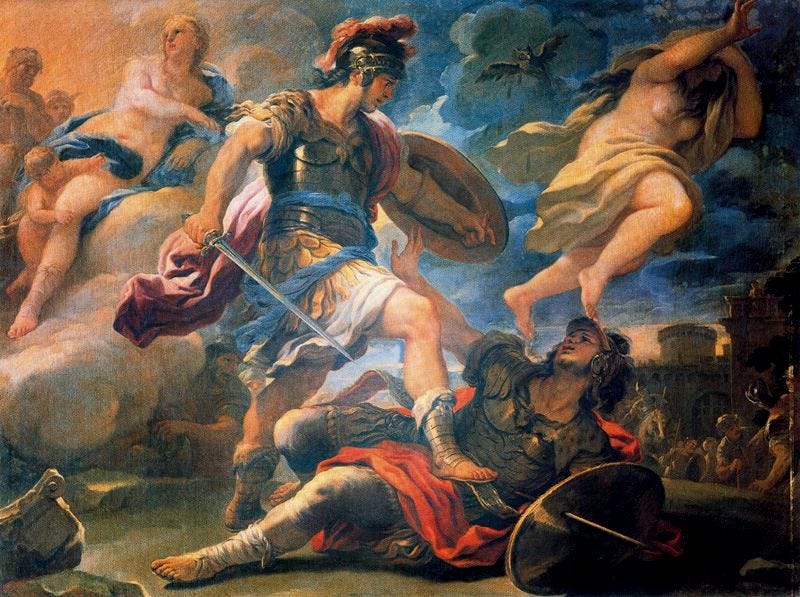
Aeneas is given a destiny in the Iliad to rule Troy - but how can this be since Troy will fall? Virgil tells us that Aeneas escaped Troy and founded Rome.
Rome, a Trojan colony, conquers Greece and finds revenge upon the Achaeans.
8. The Question of Excellence (arete)
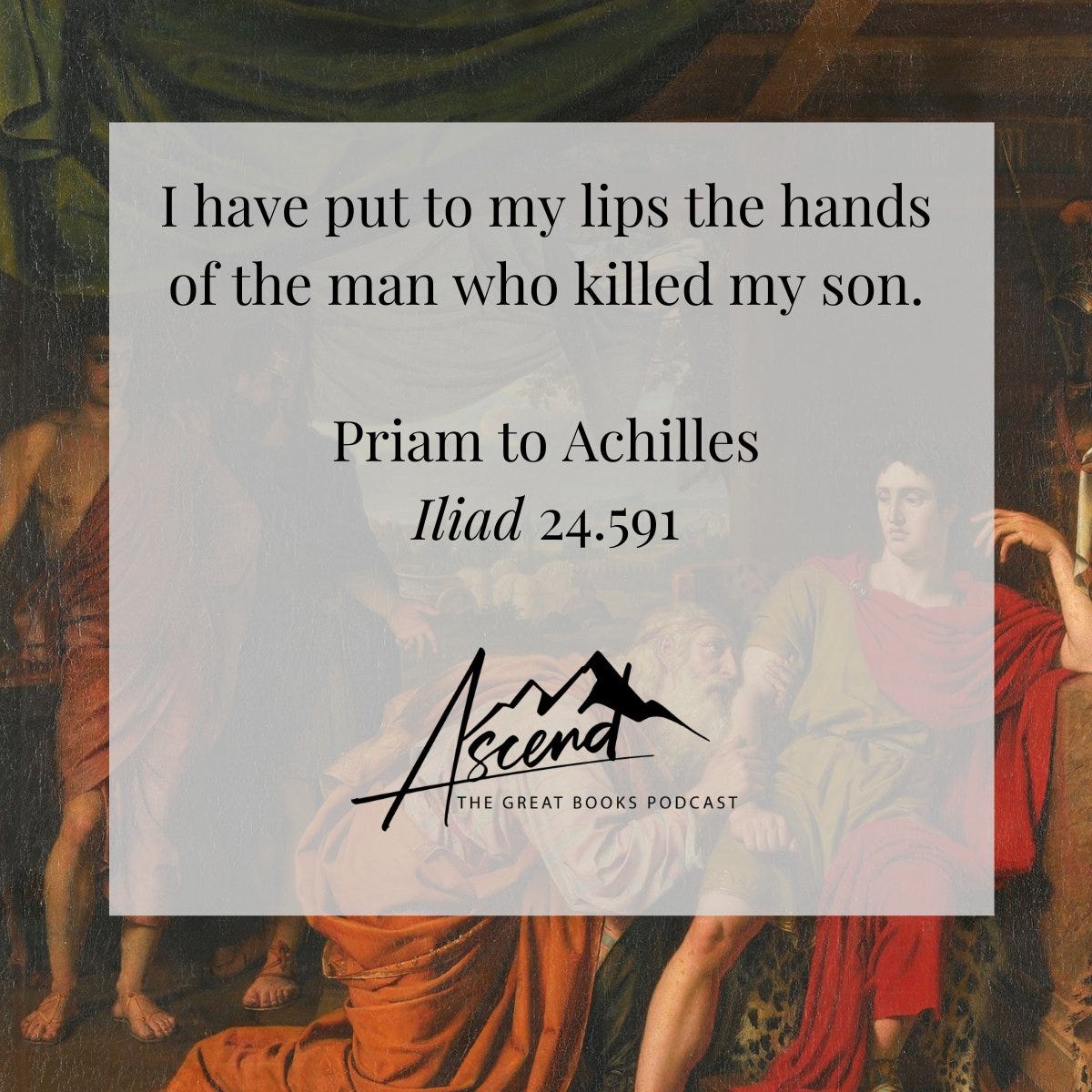
Excellence or arete in Homer is a precursor to the West's understanding of virtue in Plato and Aristotle.
Homer the teacher contrasts Achilles and Hector to tremendous effect to challenge the notion of arete: military might or something more?
7. The Importance of Hospitality (Xenia)
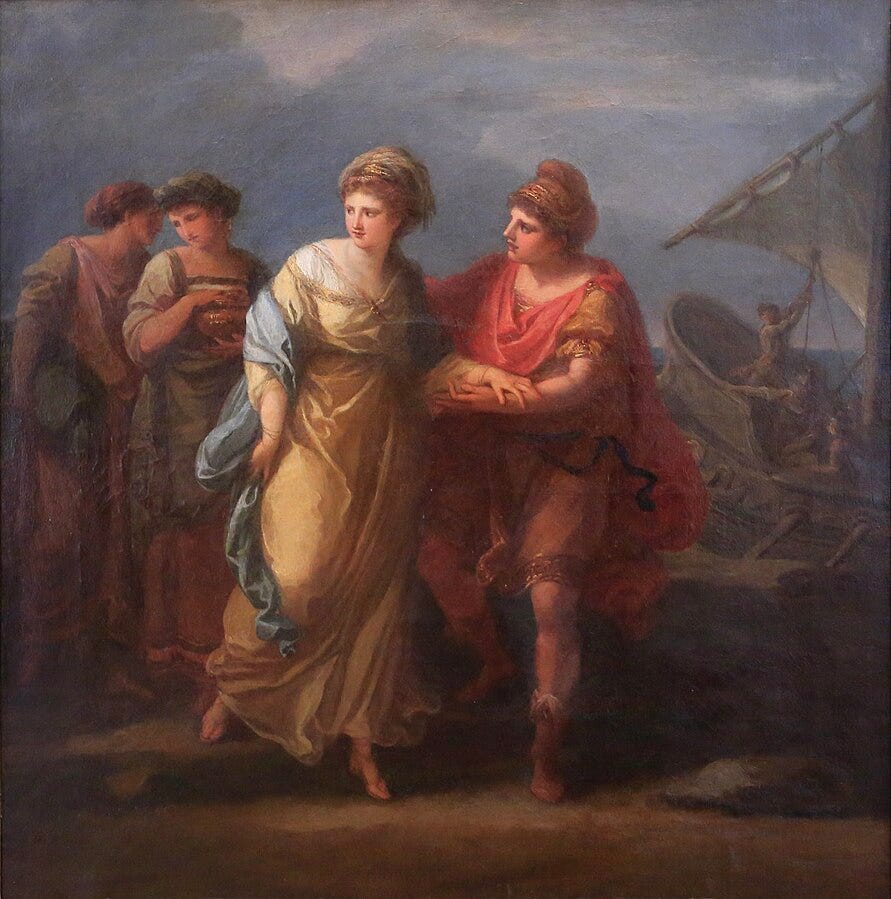
Guest-friendship (xenia) was a sacred cultural norm. The host welcomes the stranger as kin without even asking his name first. The guest reciprocated by telling stories, etc. Paris violates this sacred bond to start the war.
6. The Shield of Achilles
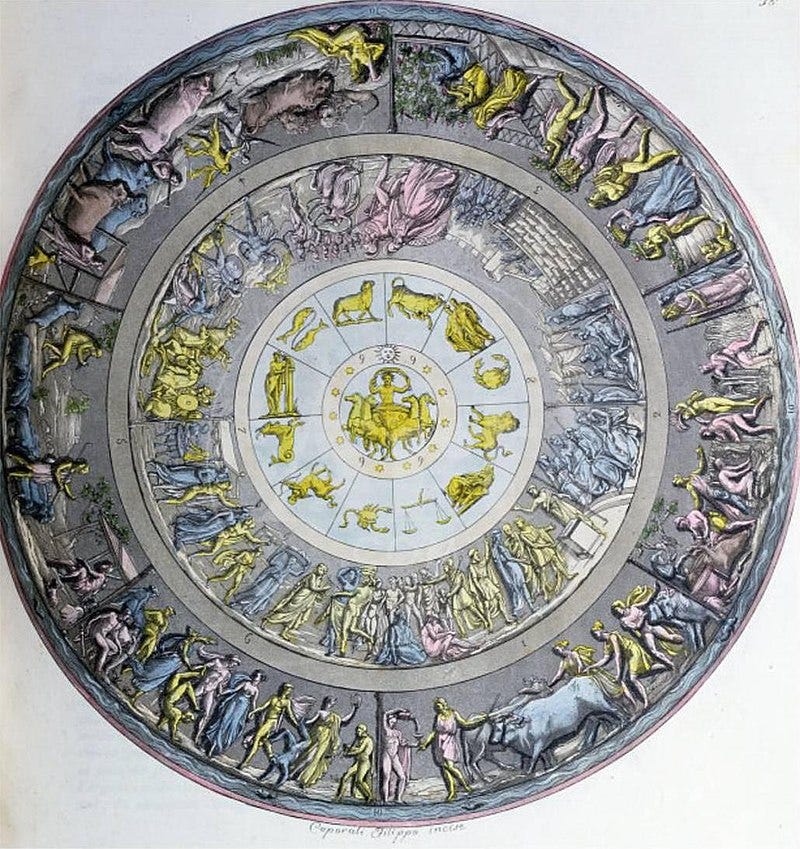
The cosmos is intelligible and harmonious.
Homer the teacher presents to us a shield that shows a reality that is in balance and proportionate: a City of Peace and a City at War.
Such a thesis is foundational to Western culture.
5. The RAGE of Achilles
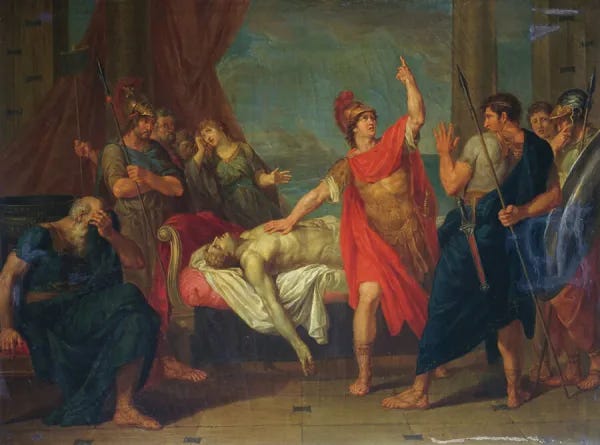
Homer asks the Muses to sing of the RAGE of Achilles, a divine rage that animates the whole Iliad.
Achilles was supposed to be the new king of gods and men, but his raging spirit is now trapped in a mortal frame and is insulted by mere mortals.
4. The Piety of Hector
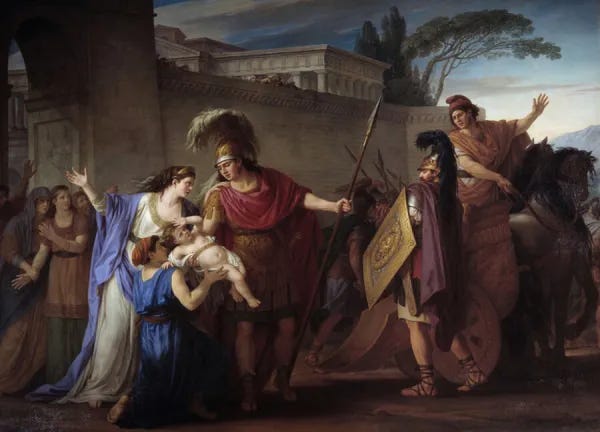
It is Hector, not Achilles, that the Romans and medievals praised.
He is the "first of the nine worthies," the pious and noble soul fighting against fate to save his beloved Troy.
Homer using him as a foil demands attention.
3. Freedom v. Fatalism
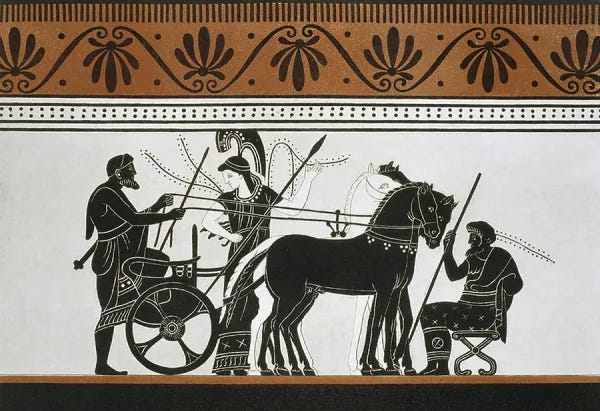
The entire Iliad is animated by fate.
The question remains whether any character (gods included!) truly has free will.
Fate is your portion in life that is given to you, and you must act proportionate to your allotment.
2. Human Nature Remains the Same
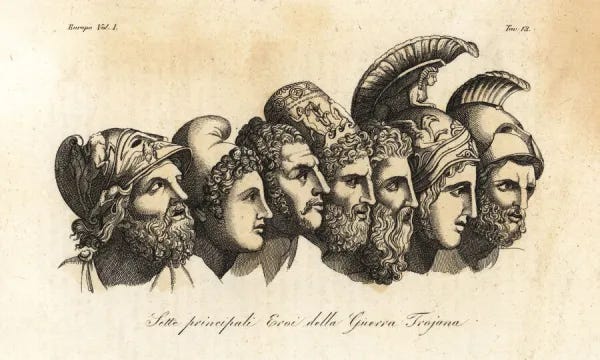
The Iliad offers us a host of characters, e.g., Agamemnon, Nestor, Diomedes, Paris, Hector, Helen, and more!
Yet, we see ourselves in these characters. They are not alien to us. Human nature remains the same. Can we learn the lessons?
1. The Question of the Divine
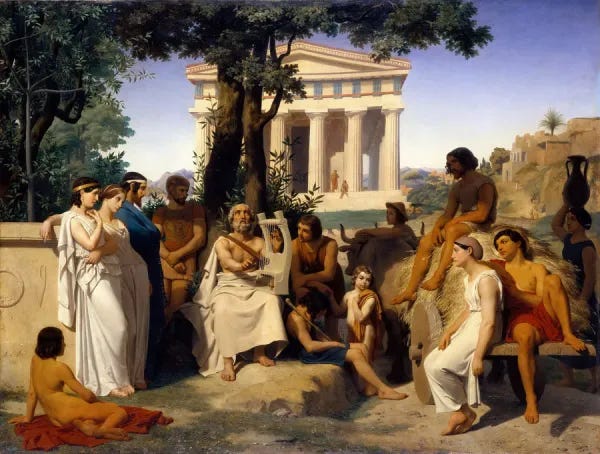
The nature of the divine is central in the Iliad.
What is the distinction between the will of Zeus and fate?
What does it mean for human piety if the gods can disagree on what is just?
Homer gives us deep theological questions.
This article was originally posted as a thread to the Ascend: The Great Books Podcast on X and has been republished with permission.
NEXT: Louis L'amour's Son Tackles Why Publishers Skew Female: "I Have Been Informed 'Men Don't Read'"